
Field Day – Technology and Phenotyping
Sara Laranjeira
PheNo coordinator
Technology and Phenotyping Field Day Marks Five Years of Innovation at NMBU
On Tuesday, NMBU hosted the annual Technology and Phenotyping Field Day, marking the fifth year of this growing initiative with around 90 participants. With the theme “New Technology for Safe Norwegian Food Production,” the event brought together researchers, farmers, industry partners, and students to explore how digital tools, automation, and phenotyping are shaping the future of Norwegian agriculture.
Morning at Vitenparken
The morning programme at Vitenparken, Campus Ås set a strong foundation for the day. IPV institute leader Marian Schubert opened the event and guided the session with clarity and enthusiasm, framing the discussions around innovation and collaboration in Norwegian plant science.
A diverse group of invited speakers delivered insightful presentations on agricultural technology, precision farming, robotics, AI‑driven weed control, agritech entrepreneurship, and new genetic strategies for improving protein content in barley. The speakers included:
- Kari Rime Engmark (Akershus fylkeskommune),
- Håvard Johansen Lindgaard (Norsk Landbruksrådgiving As),
- Øystein Mysen (Dataväxt AB),
- Kim Bredesen (NMBU),
- Lars la Cour Poulsen (Aggrator)
- Morten Lillemo (NMBU).
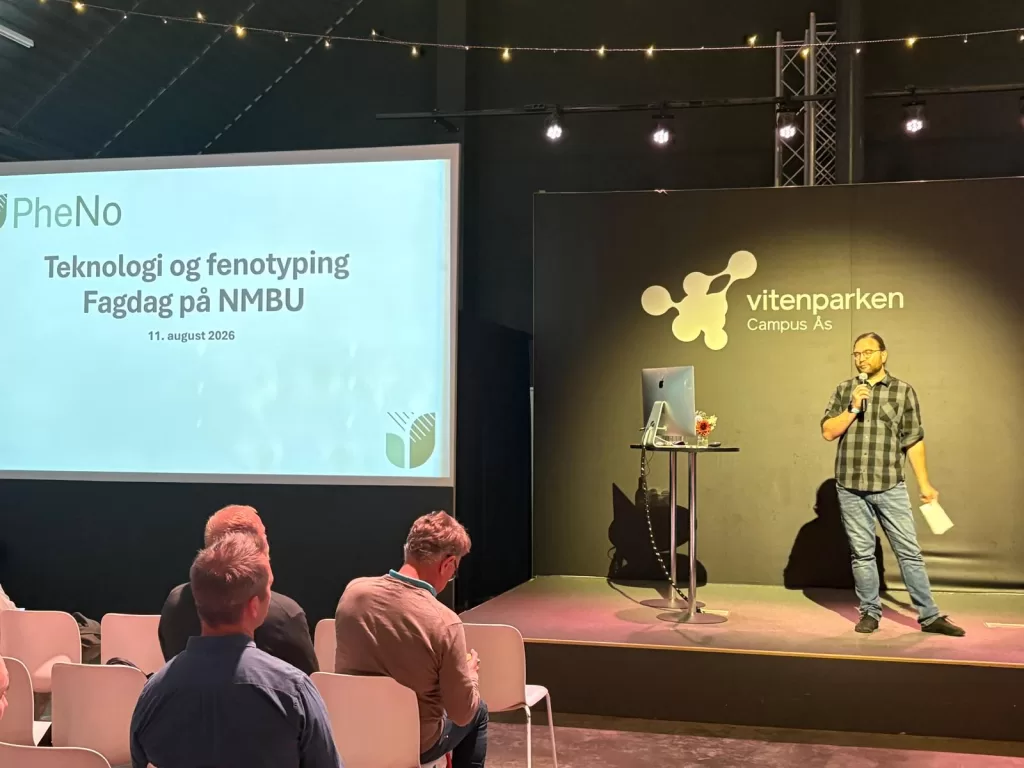
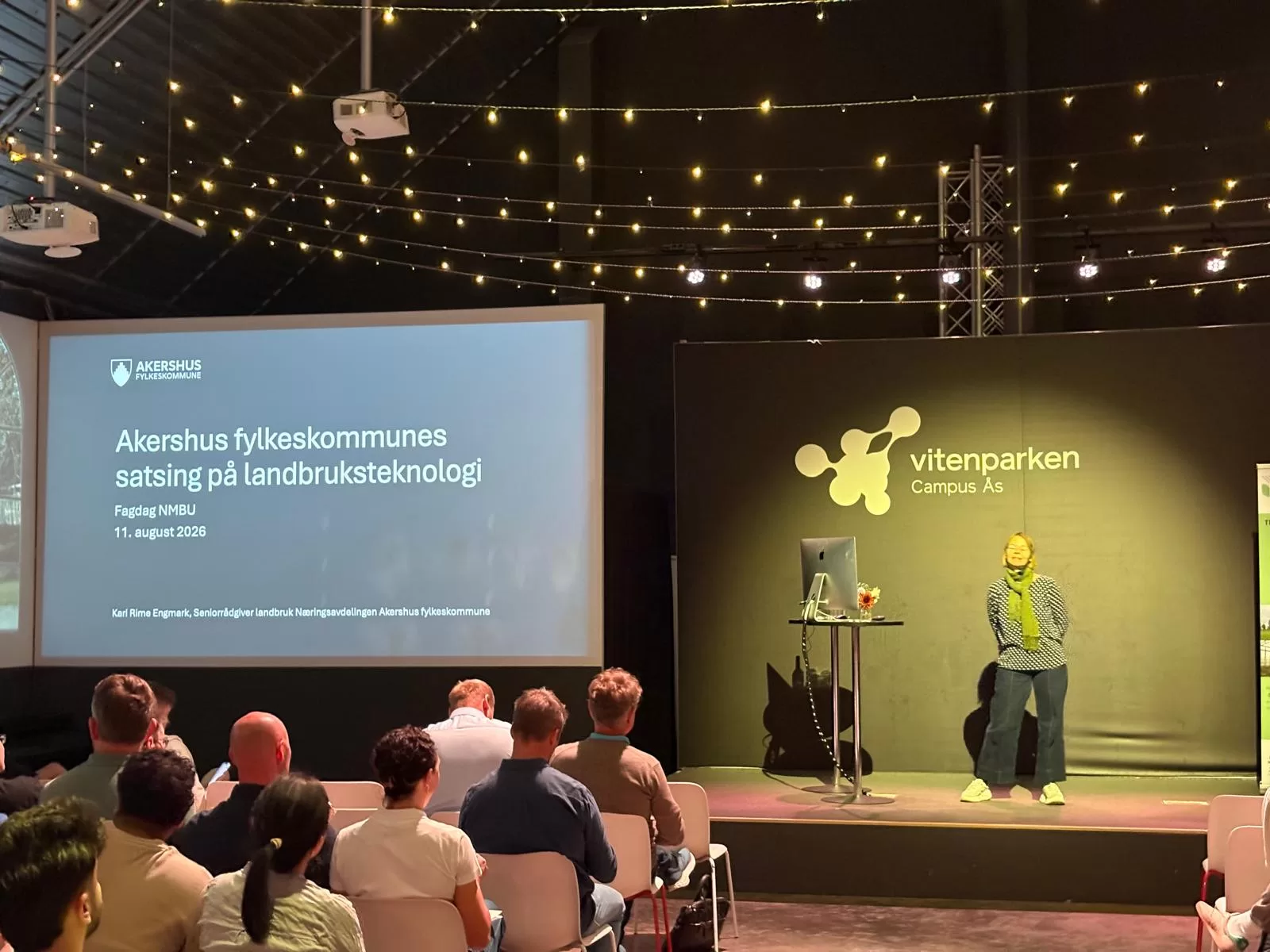
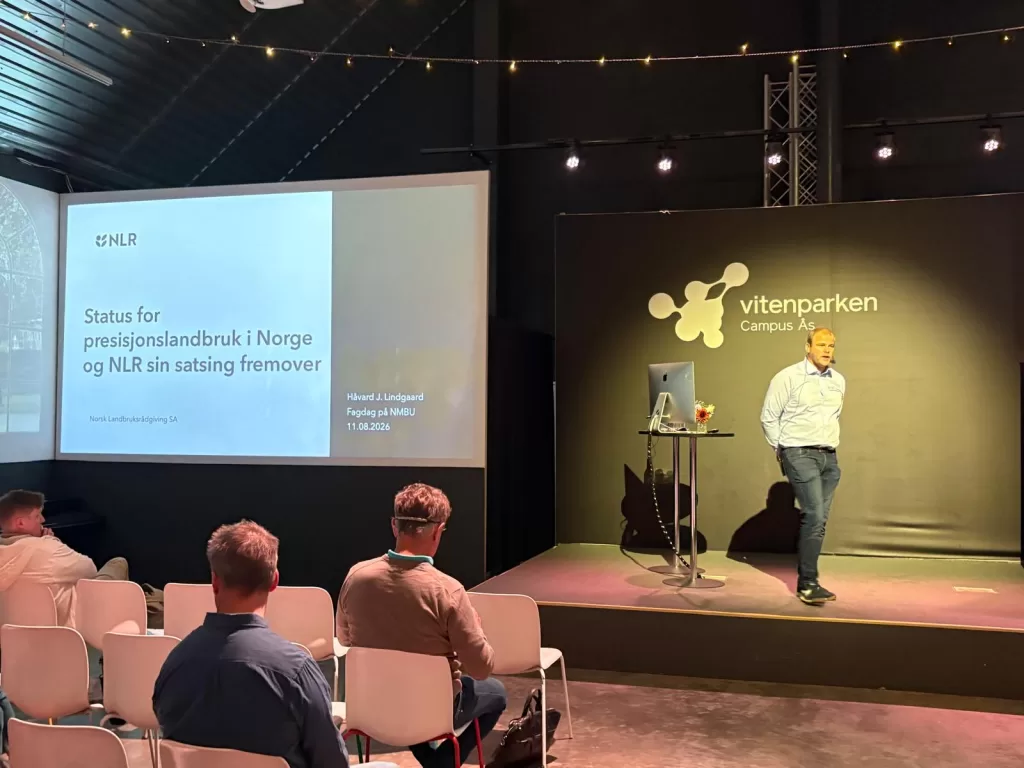
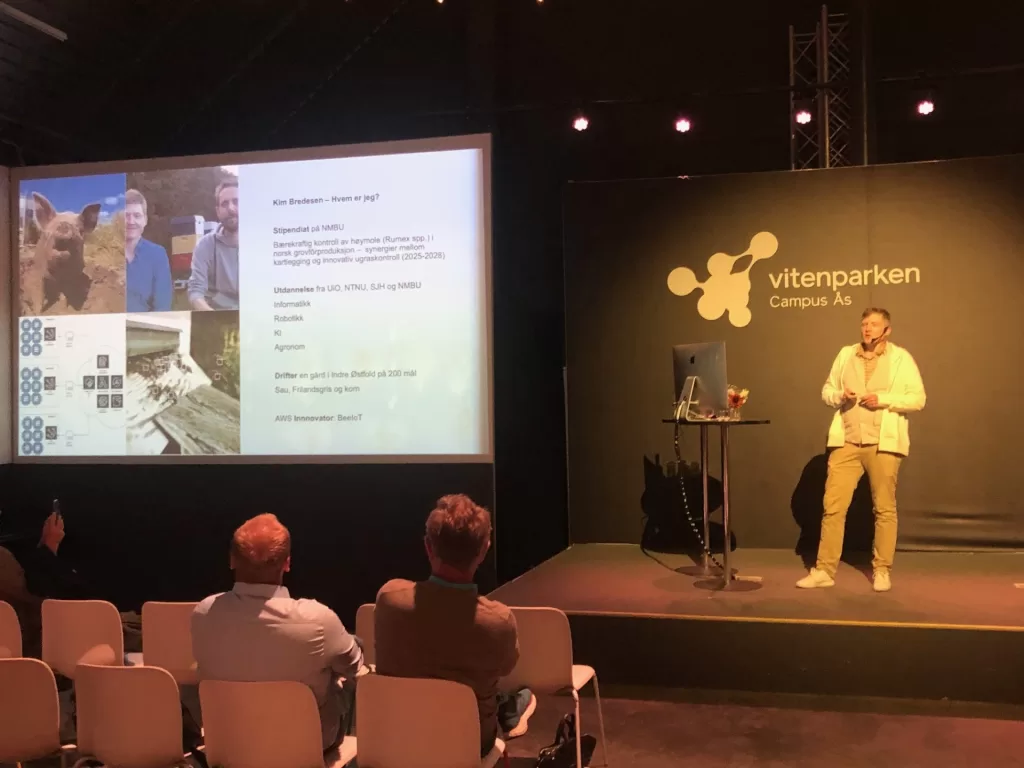
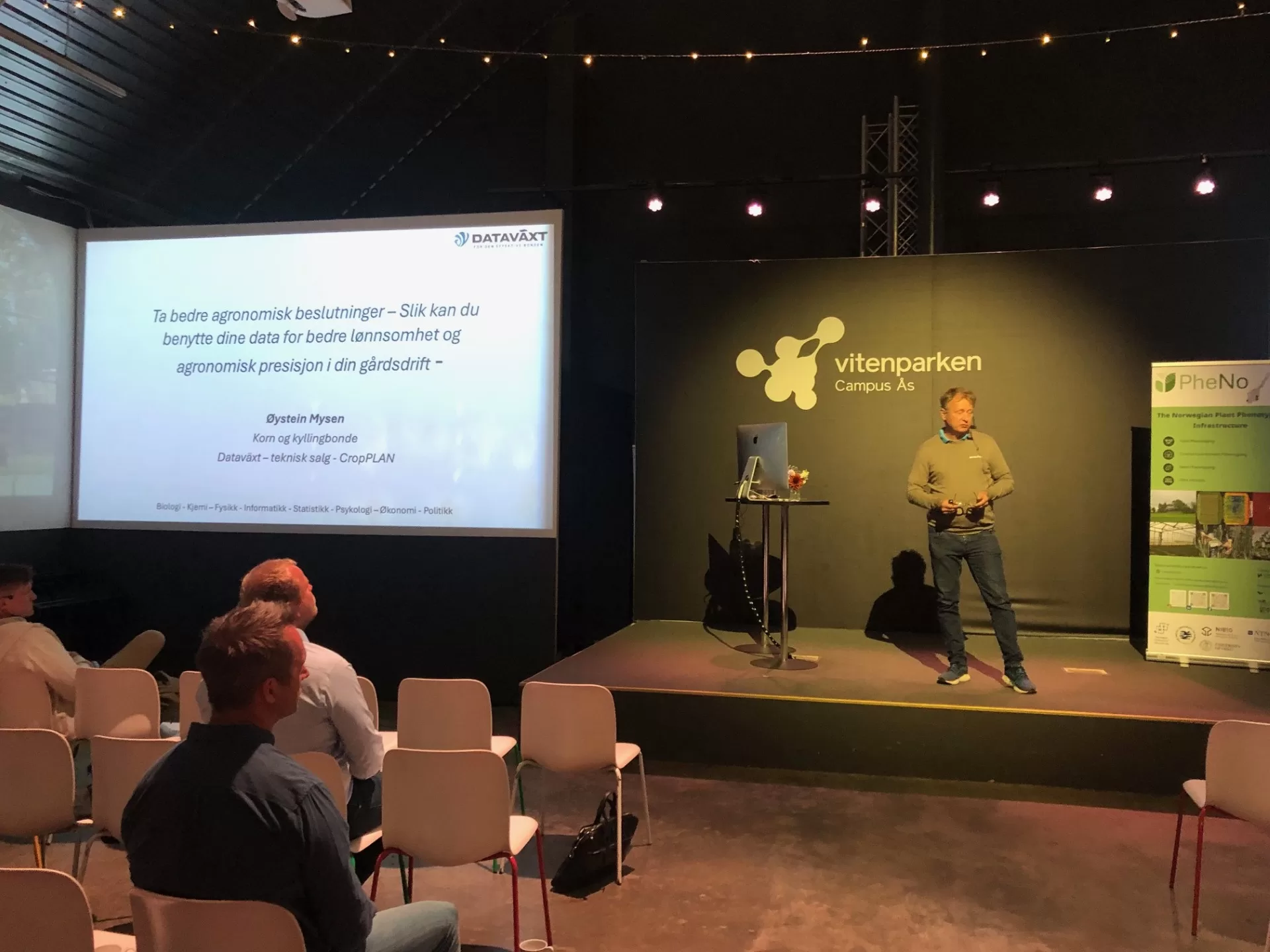
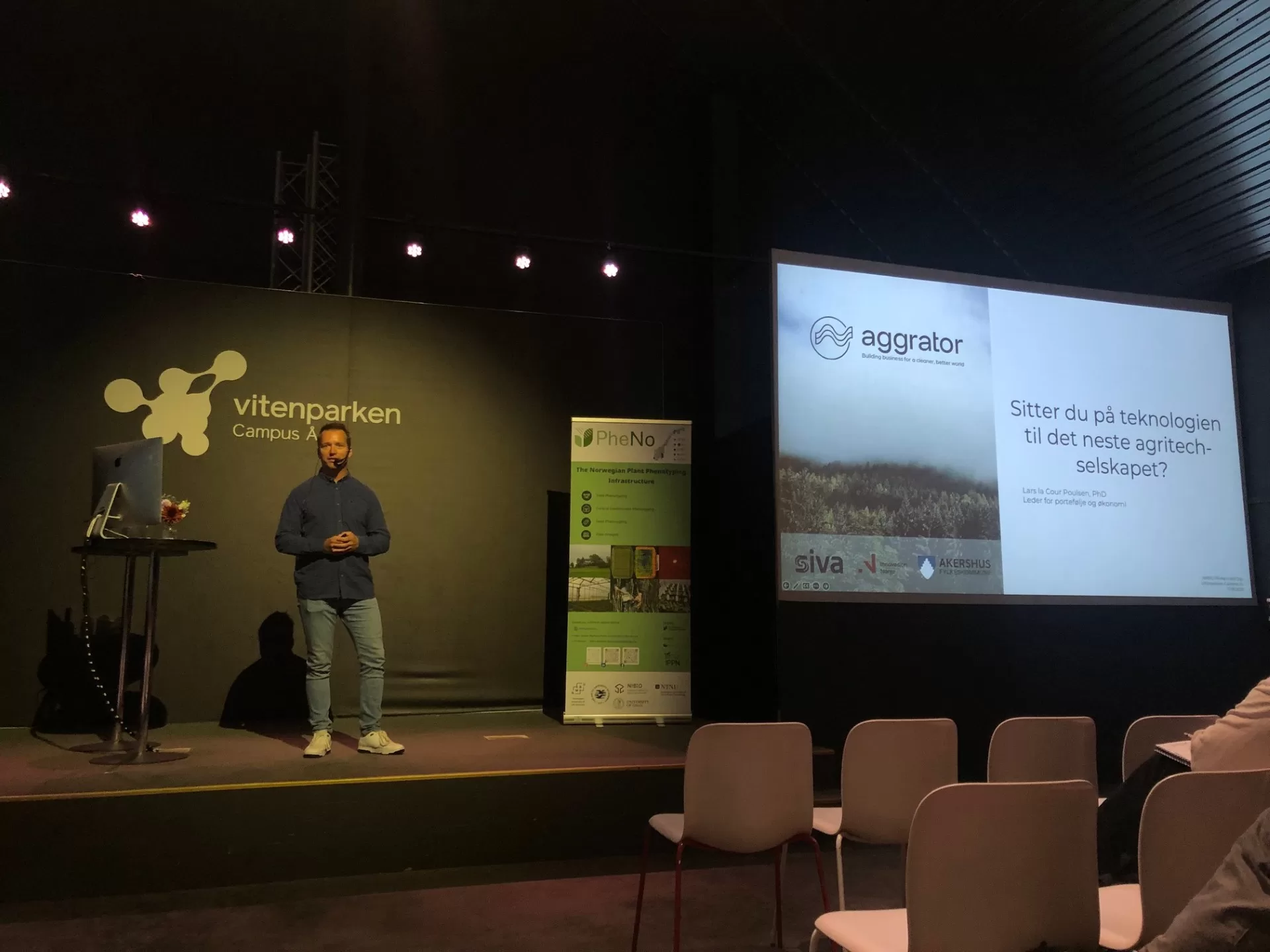
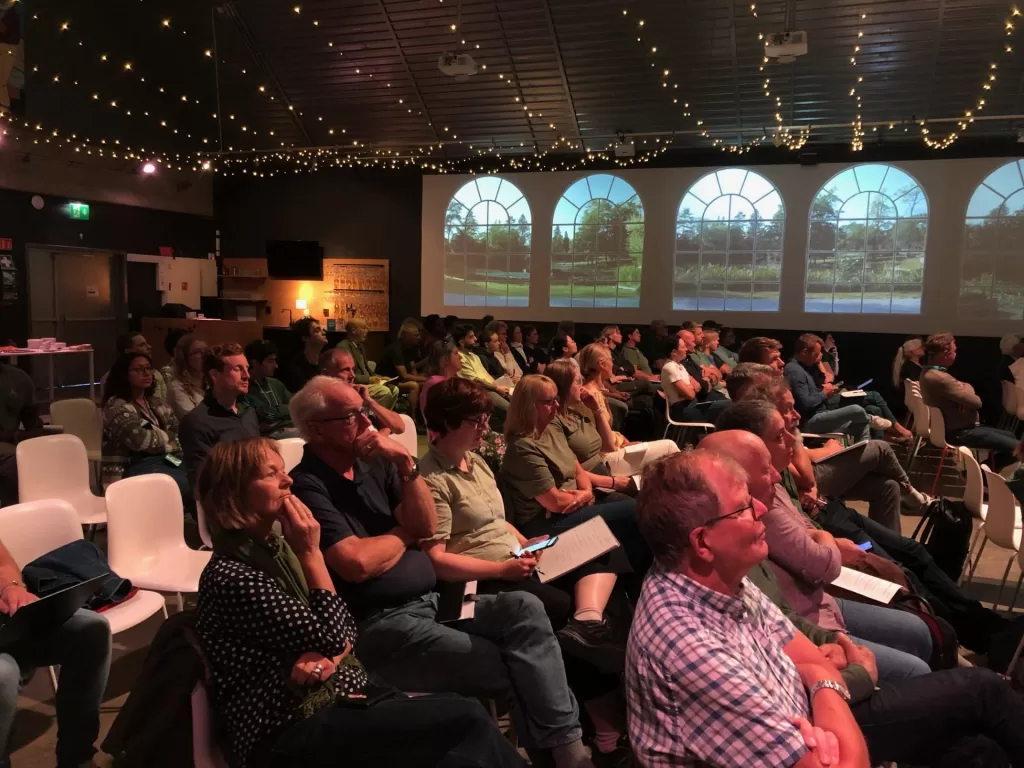
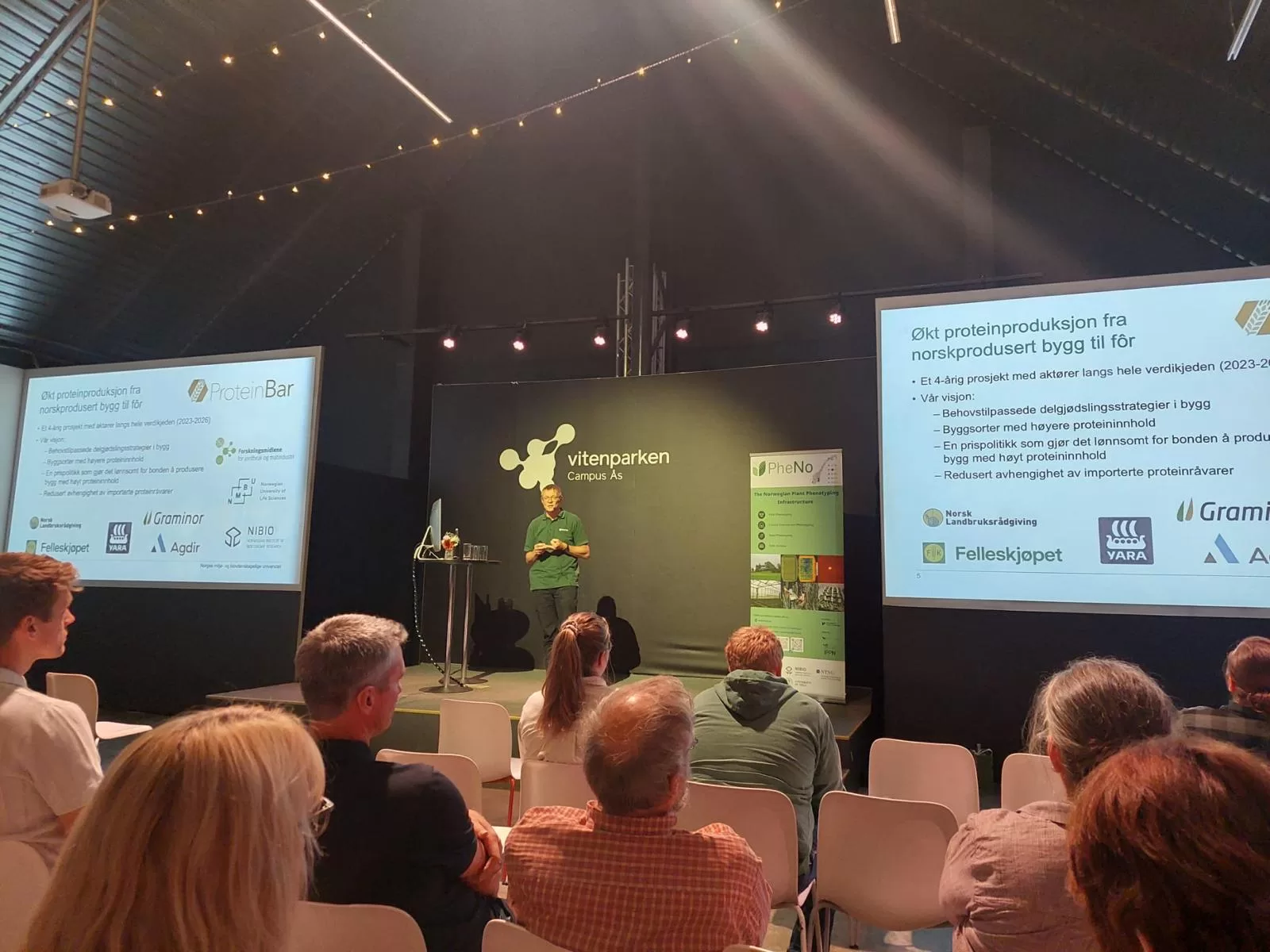
Their contributions were central to shaping this year’s Field Day. By connecting policy, research, innovation, and practical farming needs, the speakers provided participants with a clear and inspiring overview of how emerging technologies can strengthen Norwegian food production. The session highlighted opportunities and challenges across county‑level initiatives, precision agriculture, robotics and AI, agritech development, and crop improvement.
Afternoon at Vollebekk
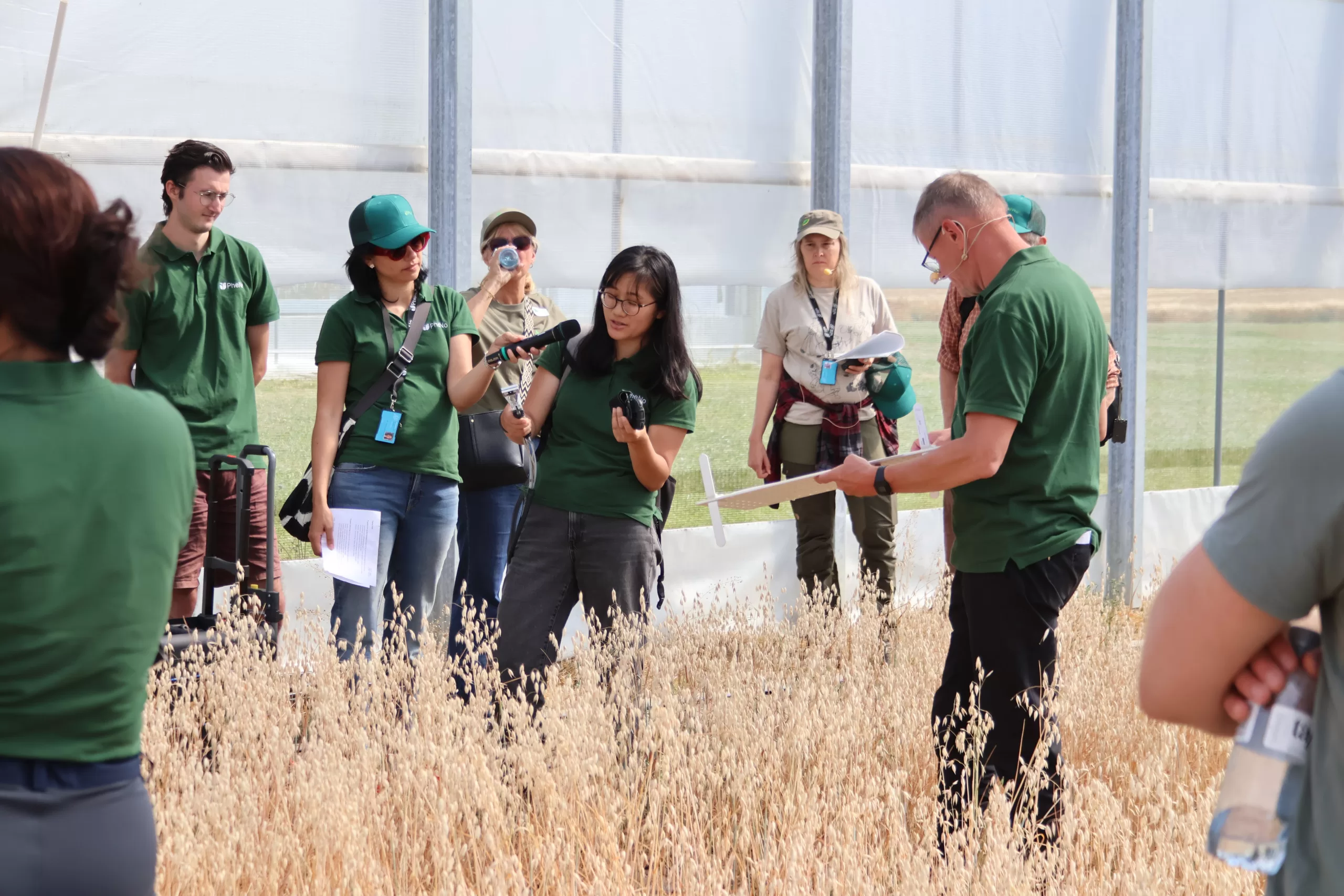
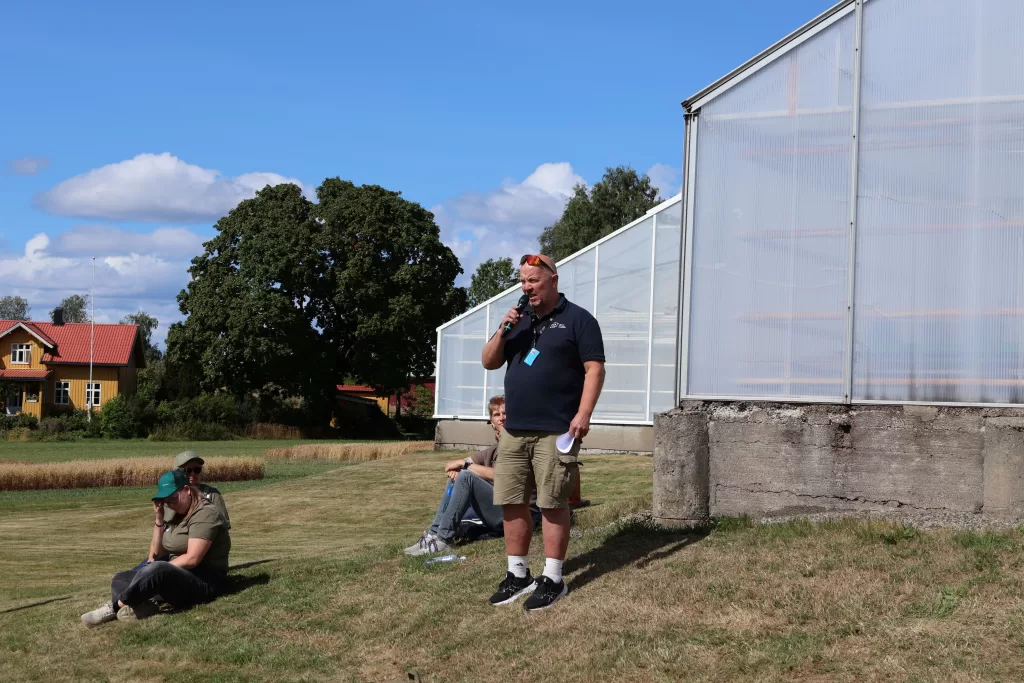
After the morning session at Vitenparken, the Field Day continued at Vollebekk Field Station, where participants were welcomed by Jens Andreas Randem from the Centre for Plant Research in Controlled Climate (SKP). The afternoon programme highlighted how research infrastructure, field expertise, and advanced technology are combined to support innovation in Norwegian agriculture.
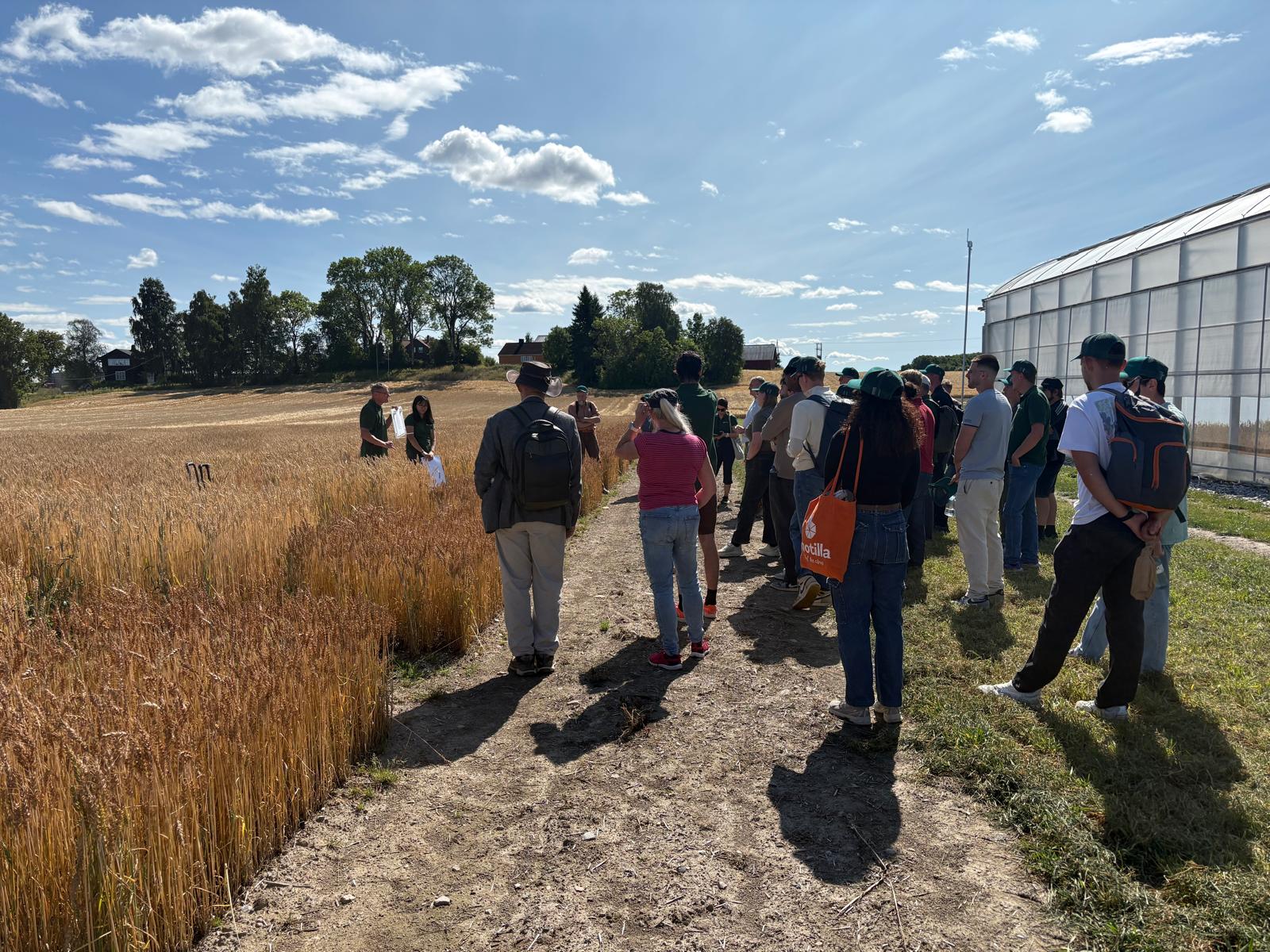
Following lunch, participants divided into two parallel tracks: Crop & Field Trials and Technology & Automation.
🌾 Crop & Field Trials
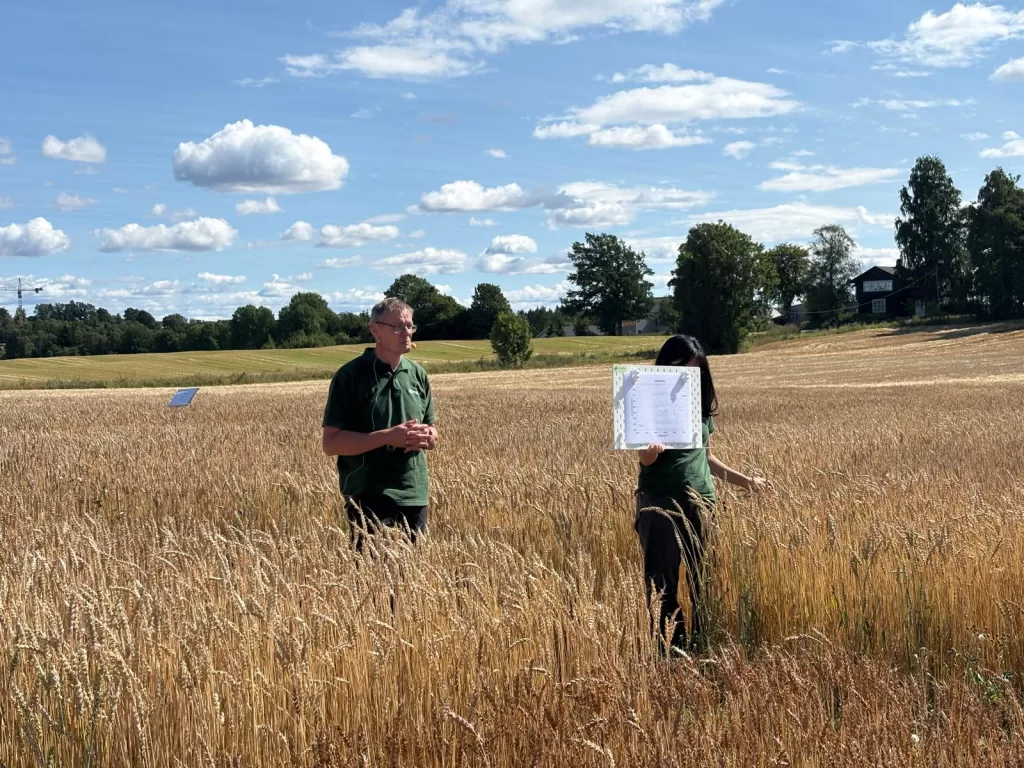
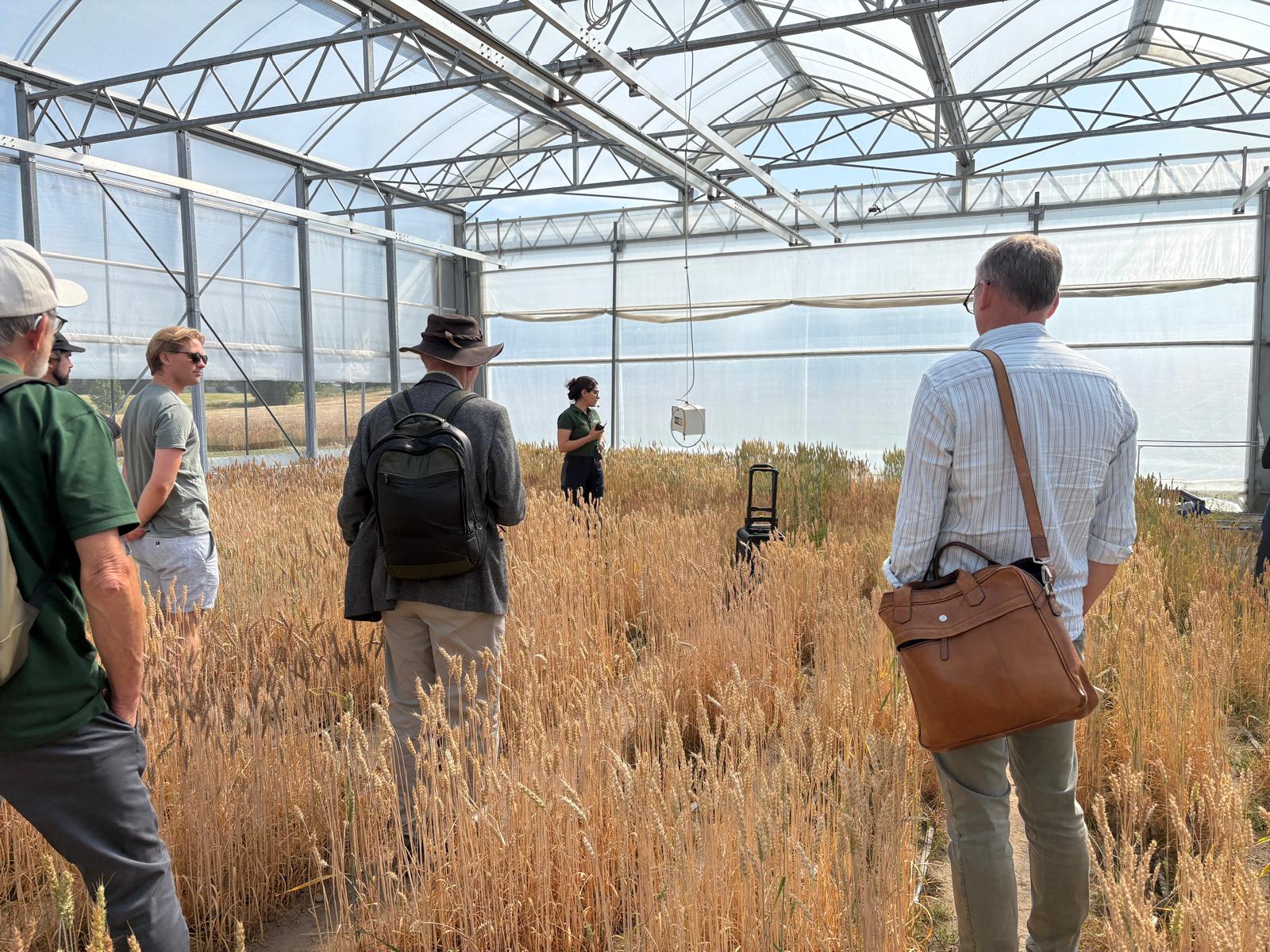
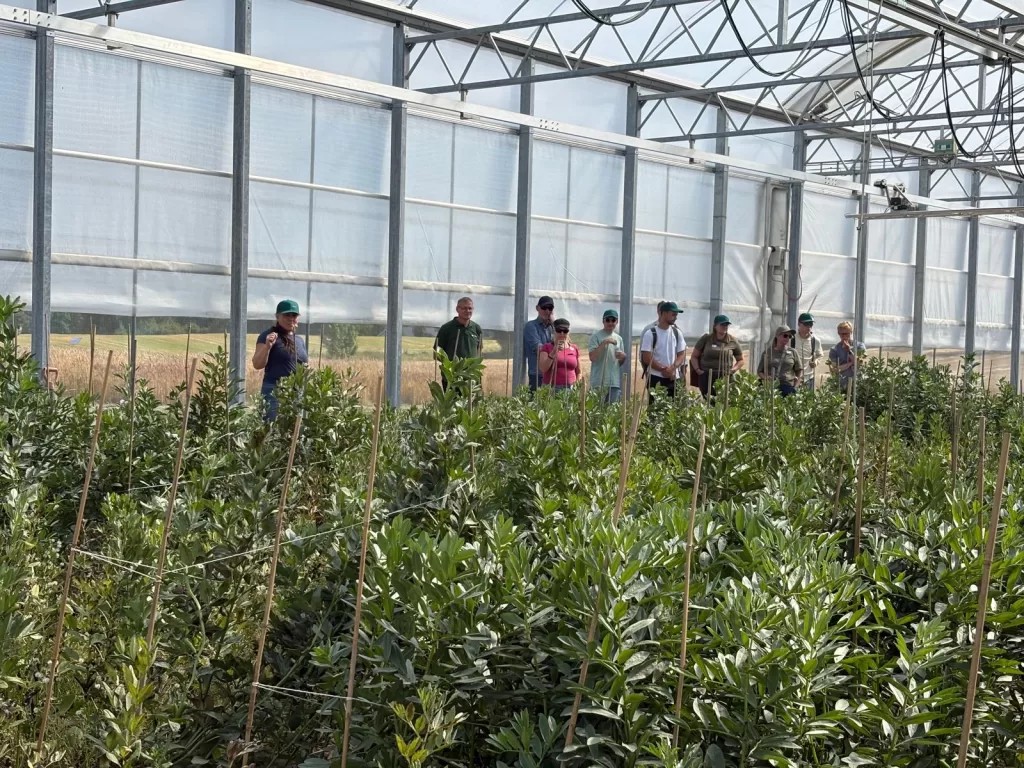
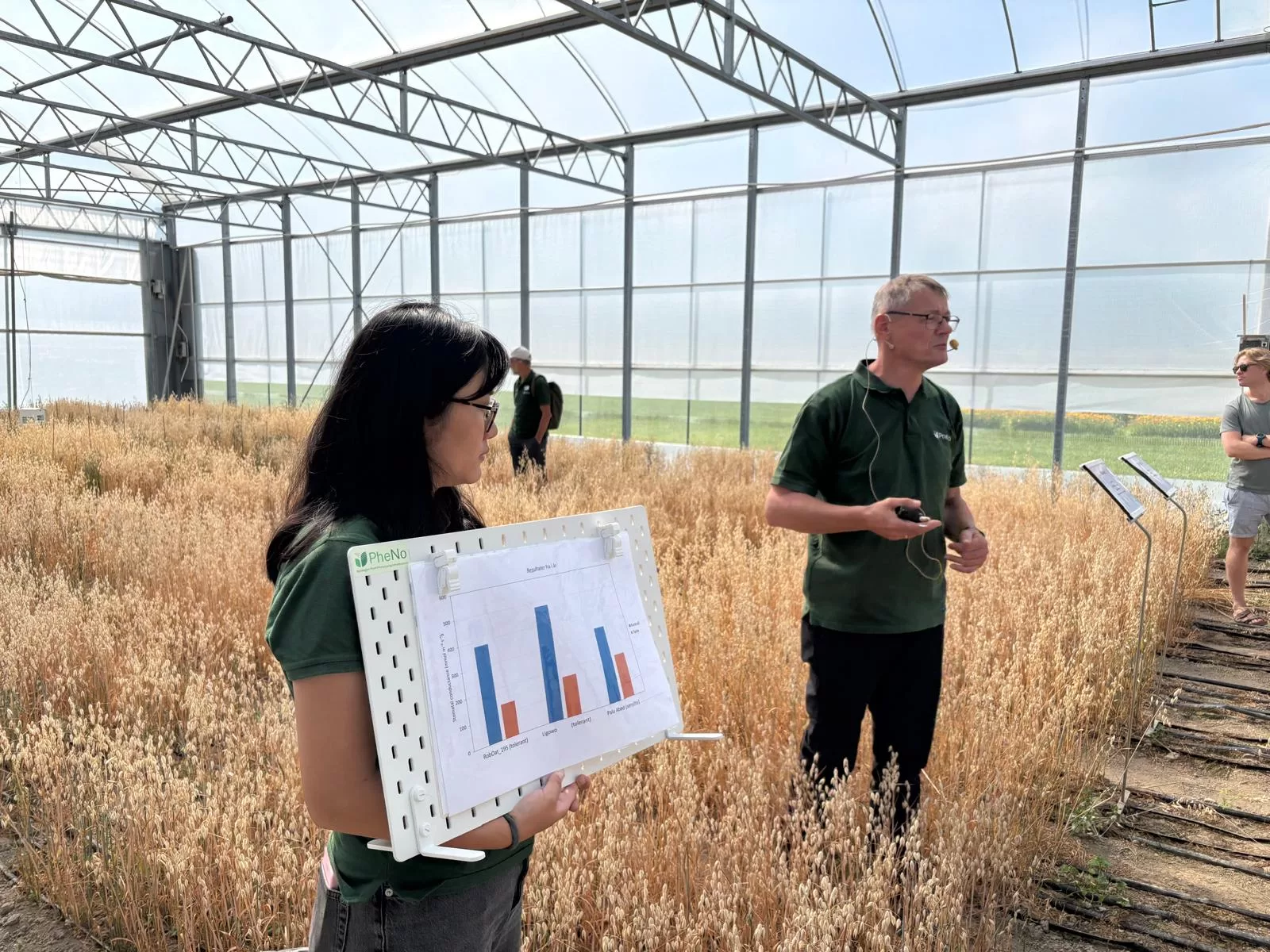
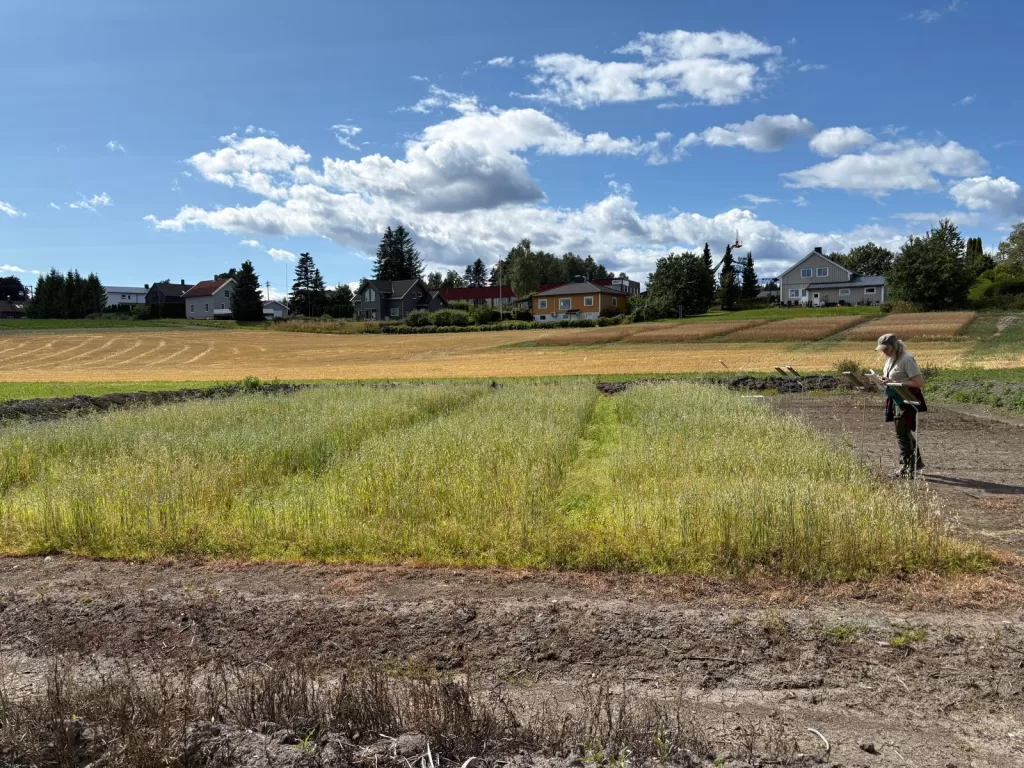
This session presented ongoing research on drought tolerance, waterlogging, and genetic improvement in key Norwegian crops. Short field talks provided insight into how genetics, stress physiology, and phenotyping tools are used to understand crop performance under challenging conditions.
- Genetic drivers of yield progress in spring wheat — Morten Lillemo, NMBU
- SmartWheat : Predicting drought tolerance in wheat— Sahameh Shafiee, NMBU
- Fabanova: drought tolerance in faba beans — Åshild Ergon, NMBU
- RobOat: drought tolerance in oats — Morten Lillemo, NMBU
- RobOat: waterlogging in oats — Anja Ruud, NMBU
🤖 Technology & Automation
The technology session showcased tools and systems that enable high‑precision field research and modern phenotyping. Demonstrations and short presentations highlighted robotics, sensor platforms, and data‑driven approaches for improving accuracy and scalability in field experimentation.
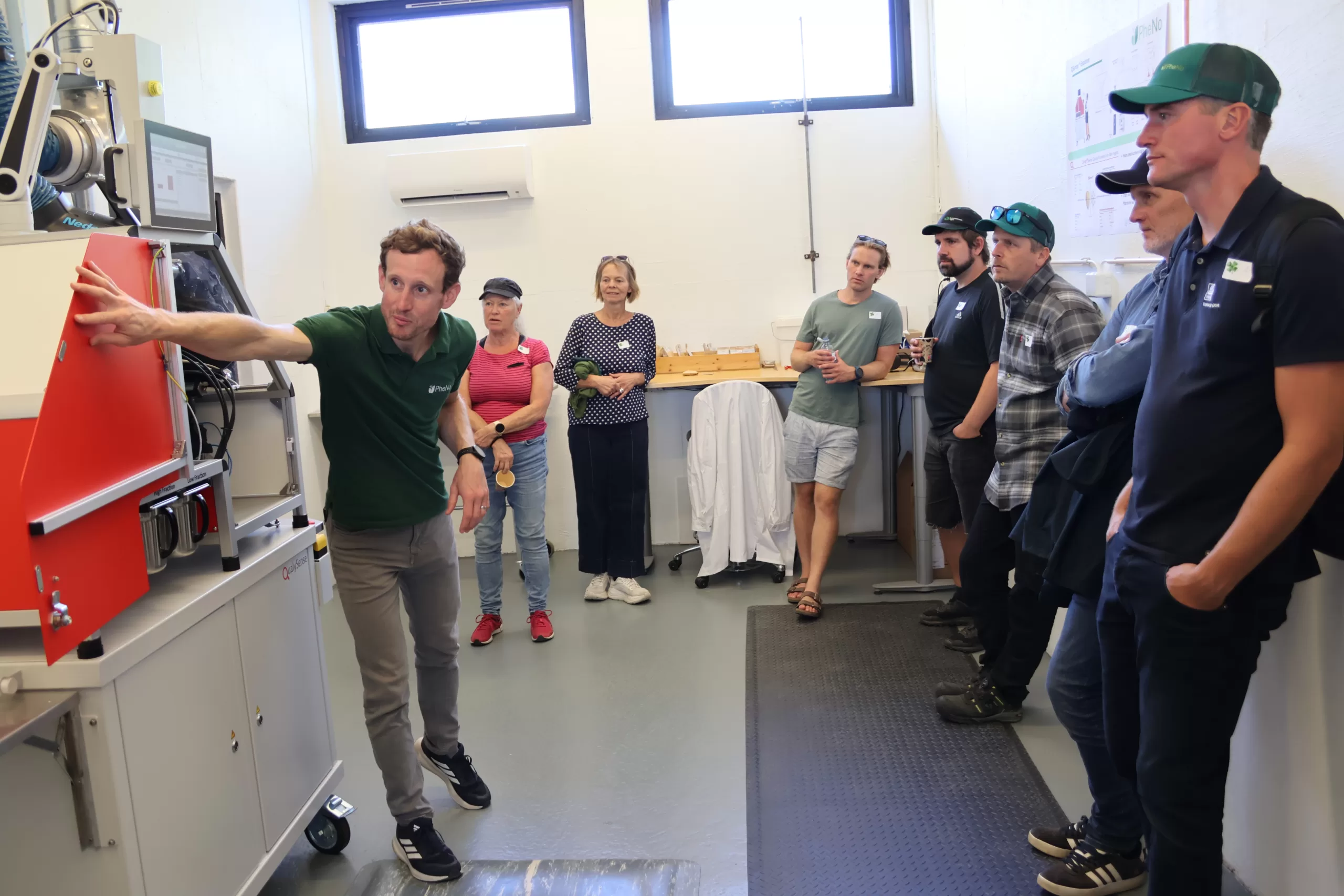
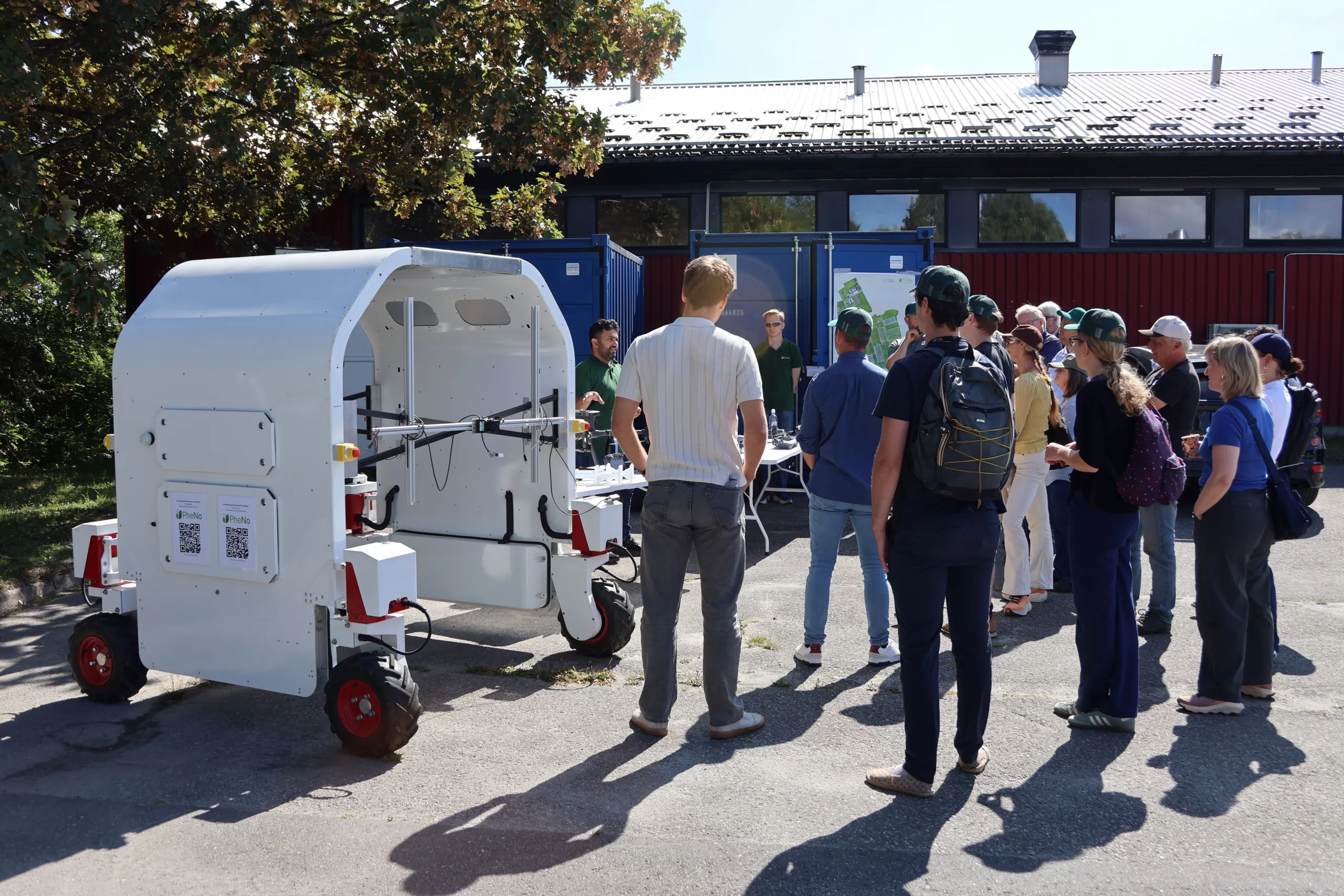
- PheNo – Qsorter® demo — Thomas Bawin, NMBU
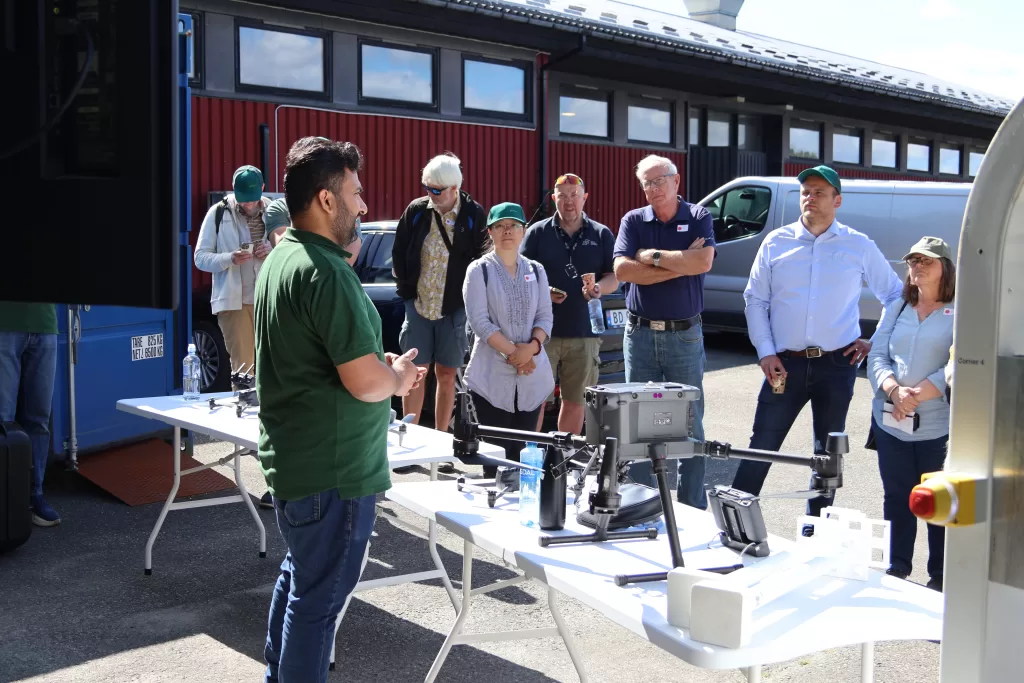
- PheNo – drones, robots and sensors — Fahad Ijaz, NMBU
- Equipment for precision agriculture — Jens Andreas Randem, SKP
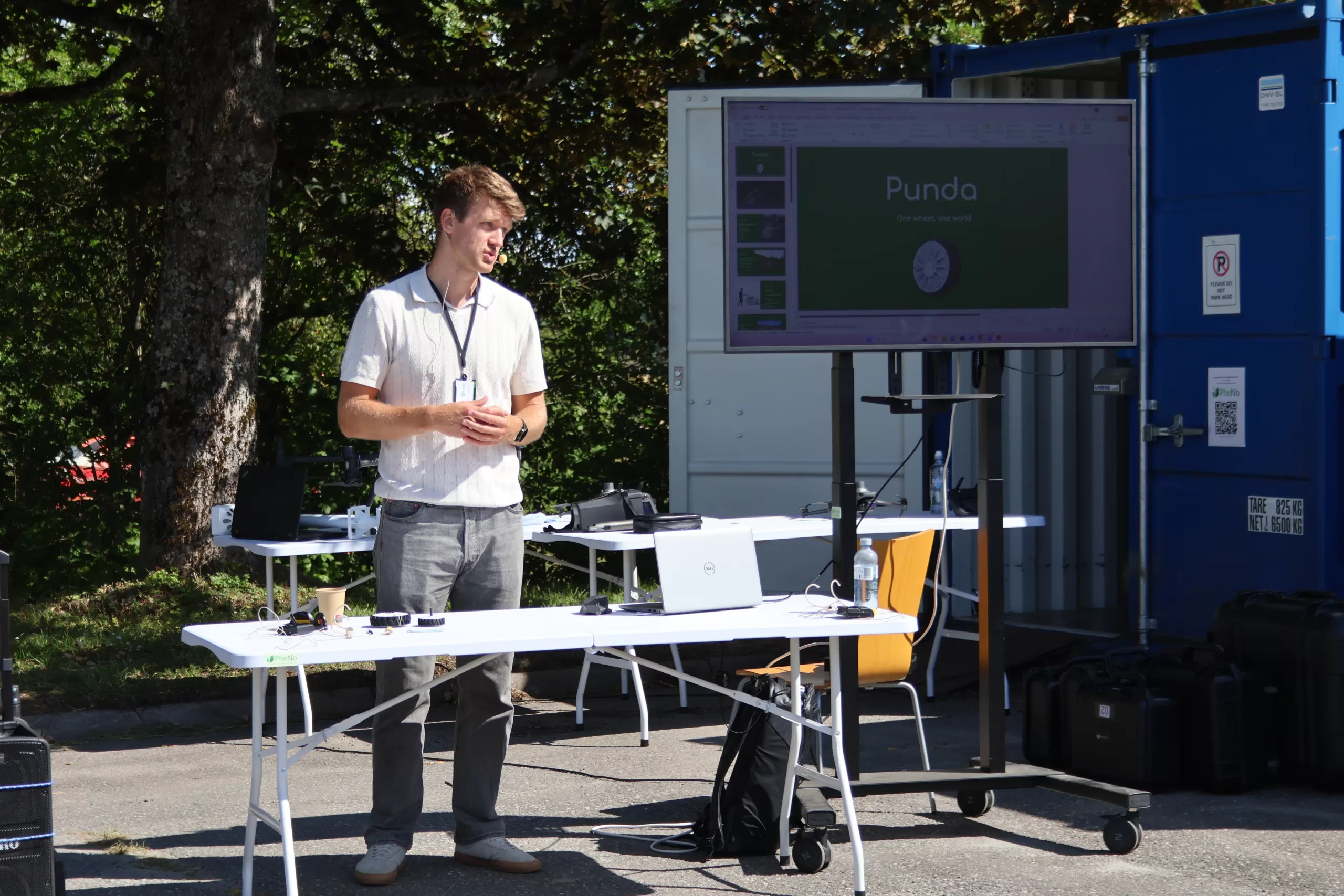
- PUNDA – tools for agriculture — Leif Inge Nødland, PUNDA
- DLT‑Farming: forage grass & nitrogen use efficiency — Mallikarjuna Rao Kovi, NMBU
These sessions demonstrated how robotics, autonomous platforms, and sensor‑based tools are transforming field research and enabling more efficient, data‑rich phenotyping workflows.
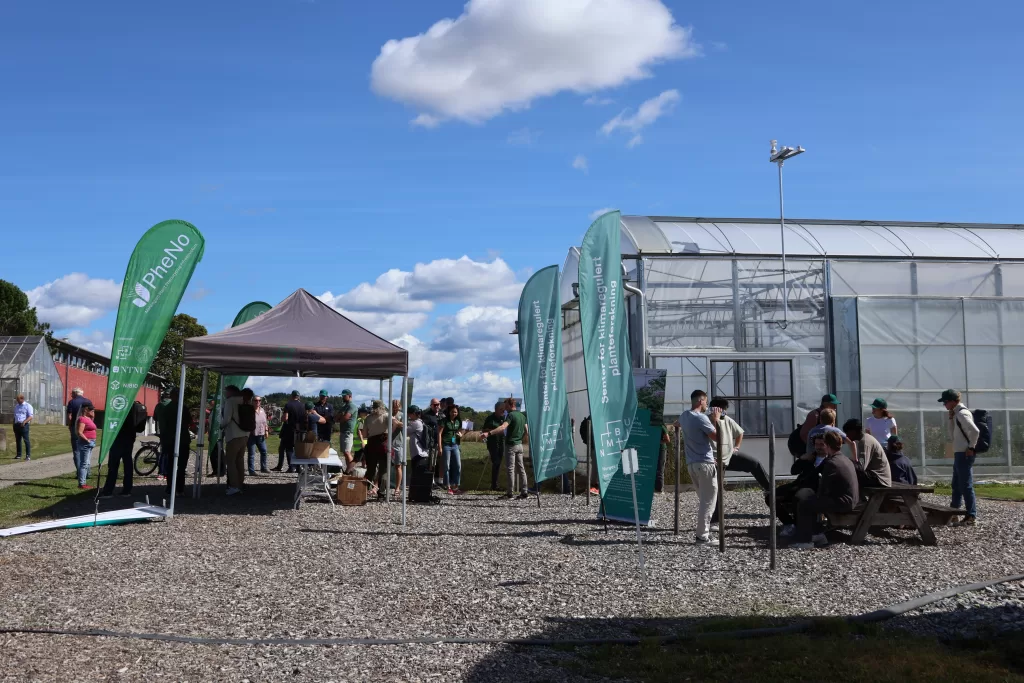
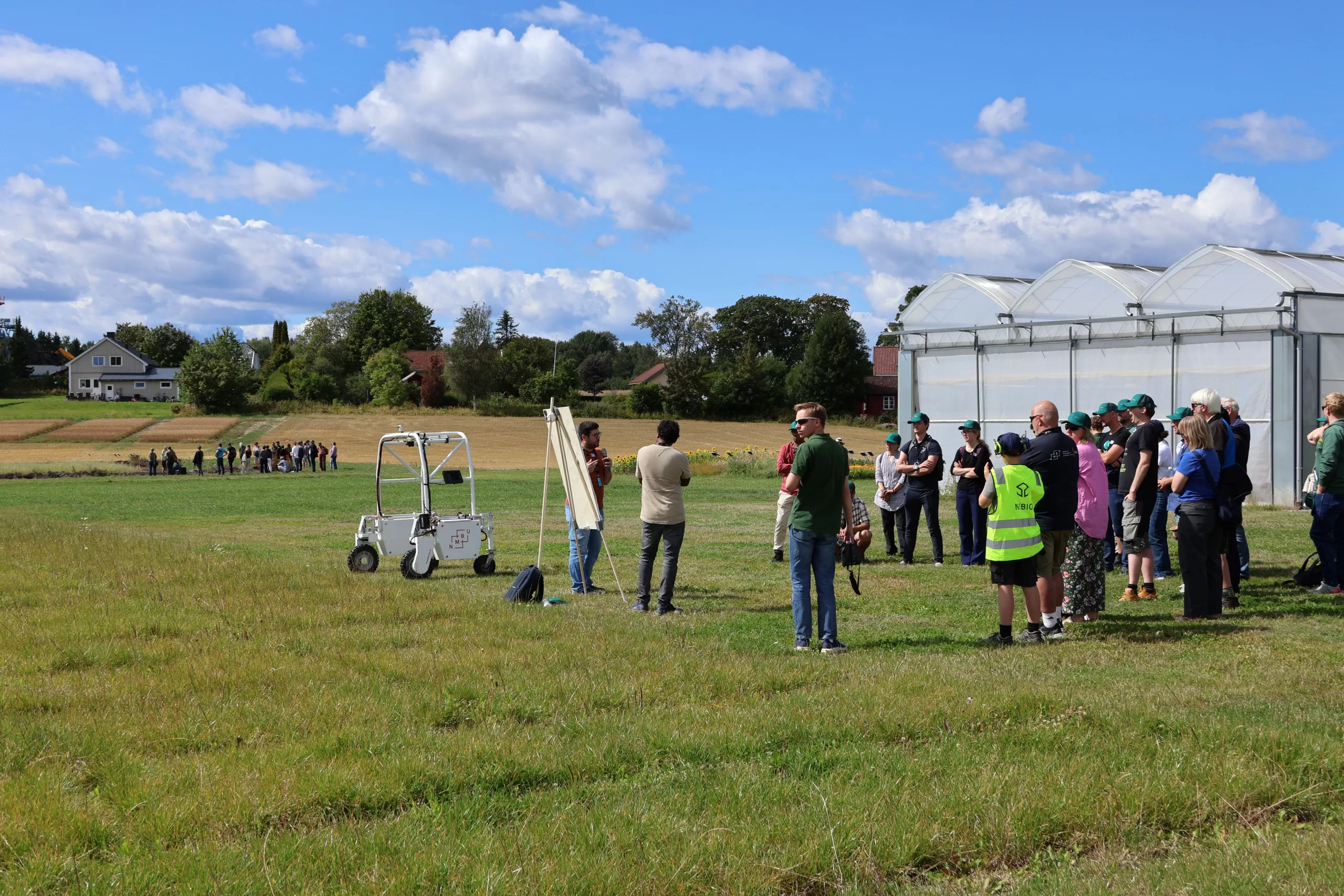
We were grateful to host a vibrant and inspiring group this year. We can’t wait to see you again next year!