
PhD course : High-Throughput Field Phenotyping and Vegetation Mapping
Sara Laranjeira
PheNo coordinator
High-Throughput Field Phenotyping and Vegetation Mapping: A Week of Nordic Collaboration and Hands‑On Learning at NMBU
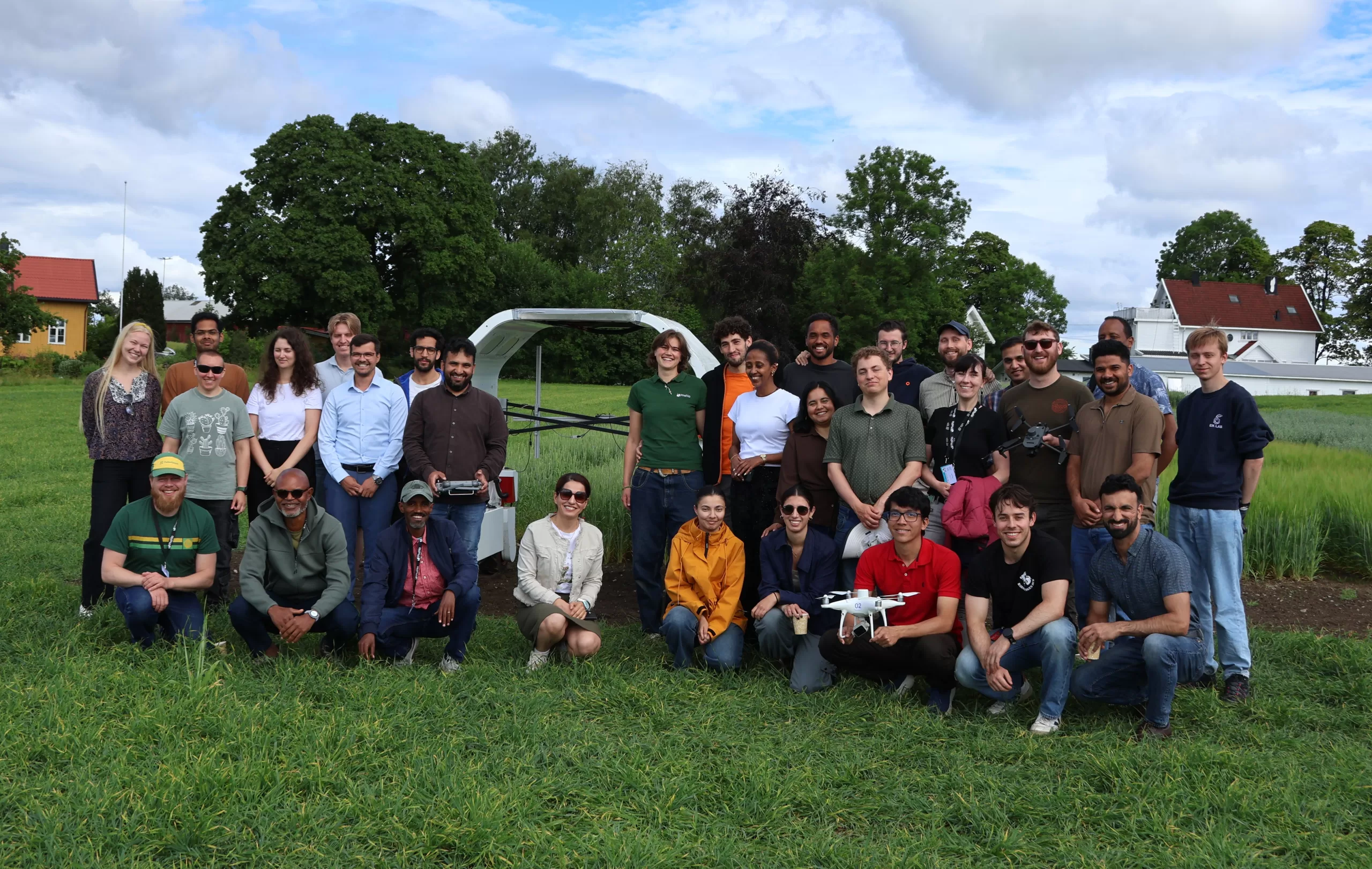
The 2026 edition of NOVA‑412: High‑Throughput Field Phenotyping and Vegetation Mapping brought together more than 30 participants from across the Nordic region and beyond for an intensive, five‑day training programme at NMBU, Ås. The course was jointly sponsored by NOVA University Network, Photosyntech, PheNo, and NordPheno, reflecting a strong Nordic commitment to advancing plant phenotyping research and training.
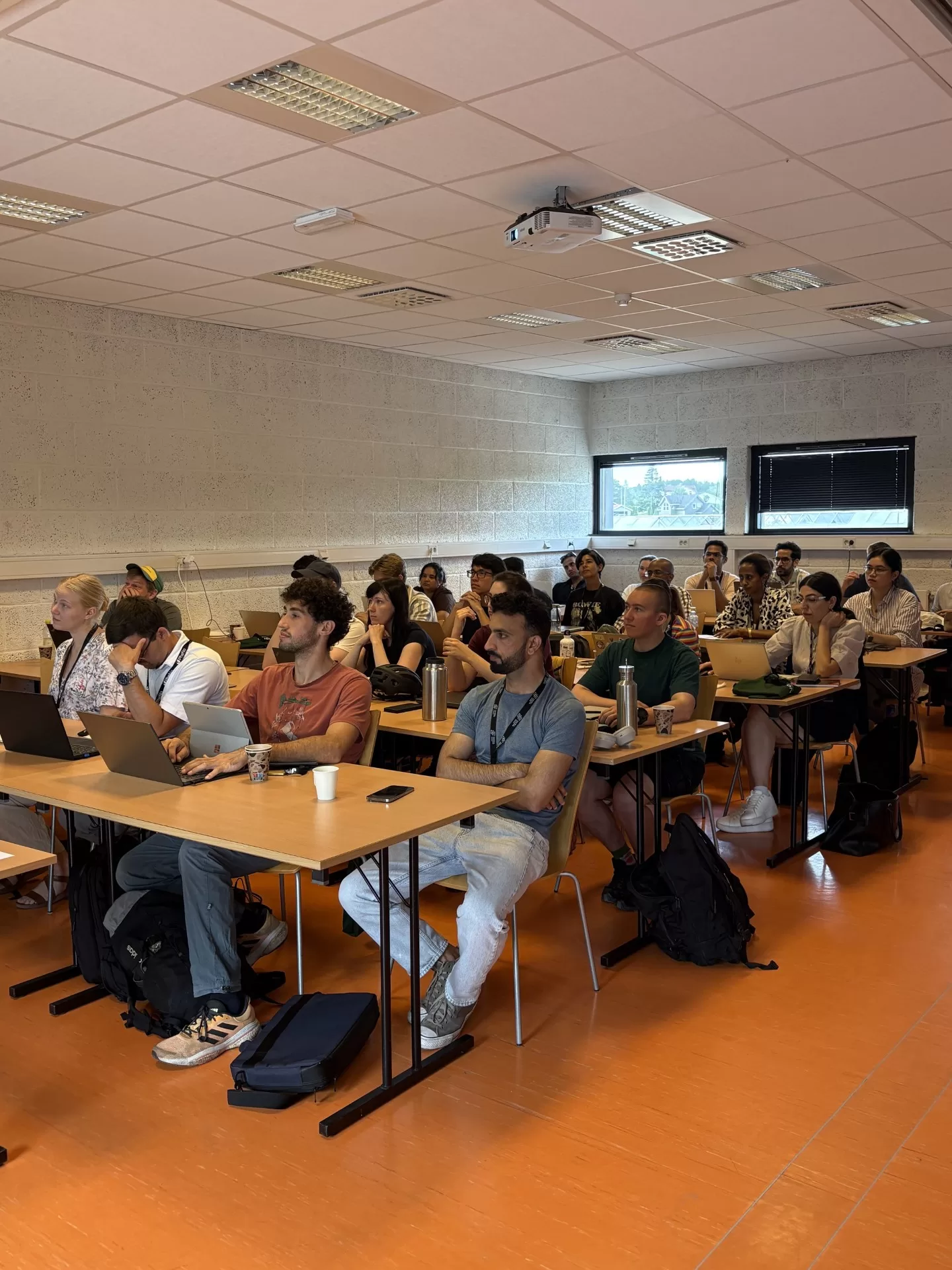
From the very first morning, the atmosphere was defined by curiosity and collaboration. Participants representing universities, research institutes, and industry gathered for a week that blended lectures, fieldwork, sensor training, data analysis, and scientific discussion.
From foundational concepts to field practice
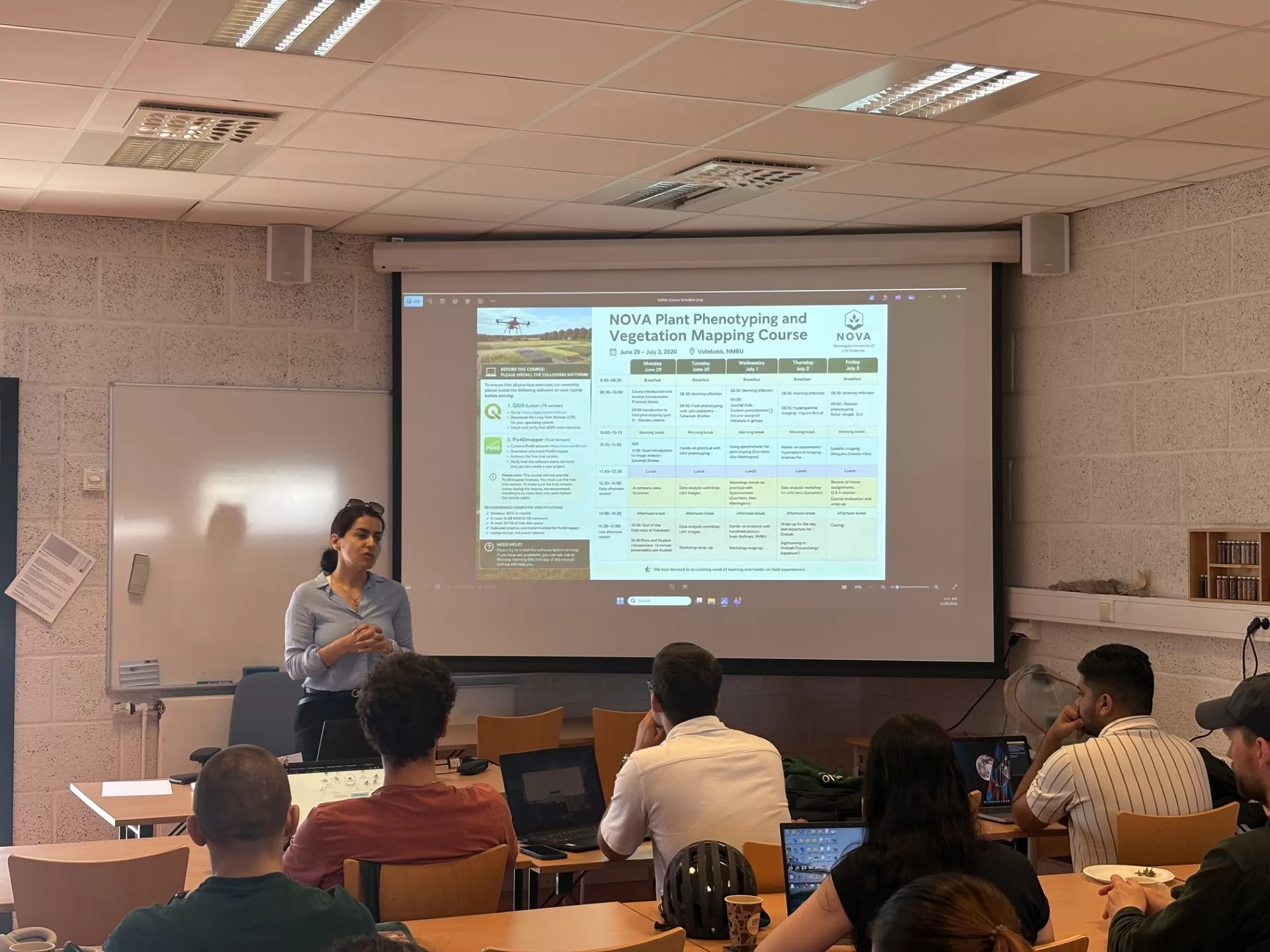
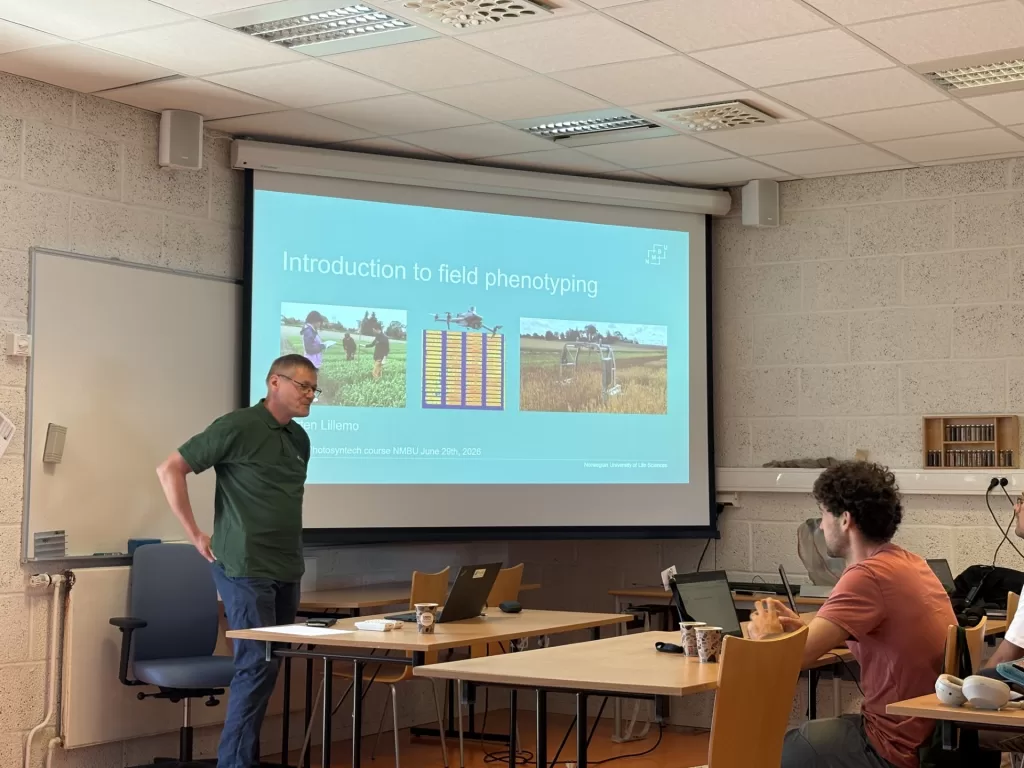
The course opened with a clear introduction to field phenotyping by Morten Lillemo, grounding the group in the principles that would guide the week. This was followed by an in‑depth session about the Centre for Plant Research in Controlled Climate (SKP), where Jan Roger Sørby presented the centre’s facilities and its role in supporting controlled‑environment and field‑based phenotyping.
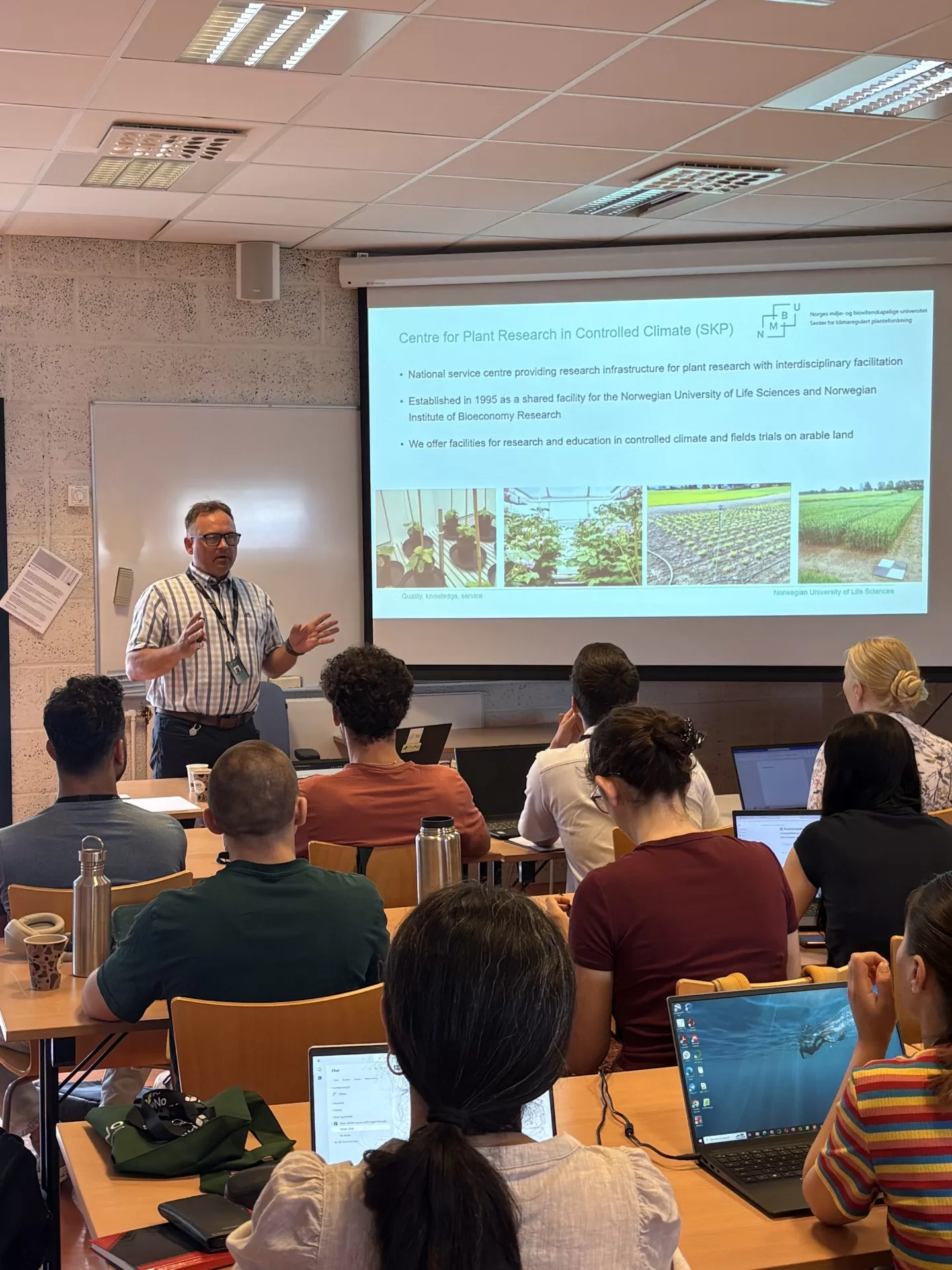
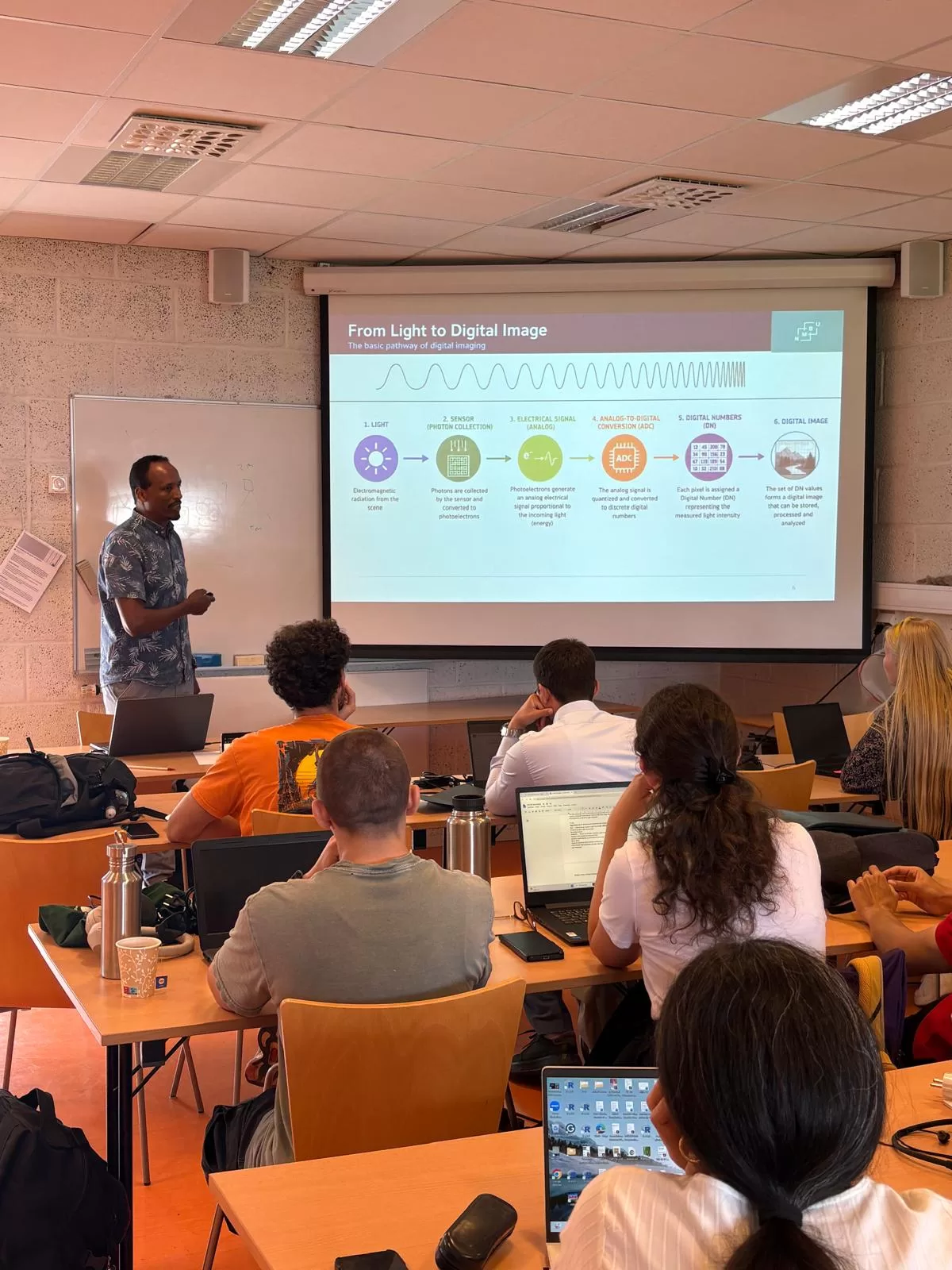
A concise introduction to image analysis by Sahameh Shafiee (course responsible) bridged field observations with digital interpretation, preparing participants for the sensor‑focused sessions ahead.
Industry perspectives and real‑world relevance
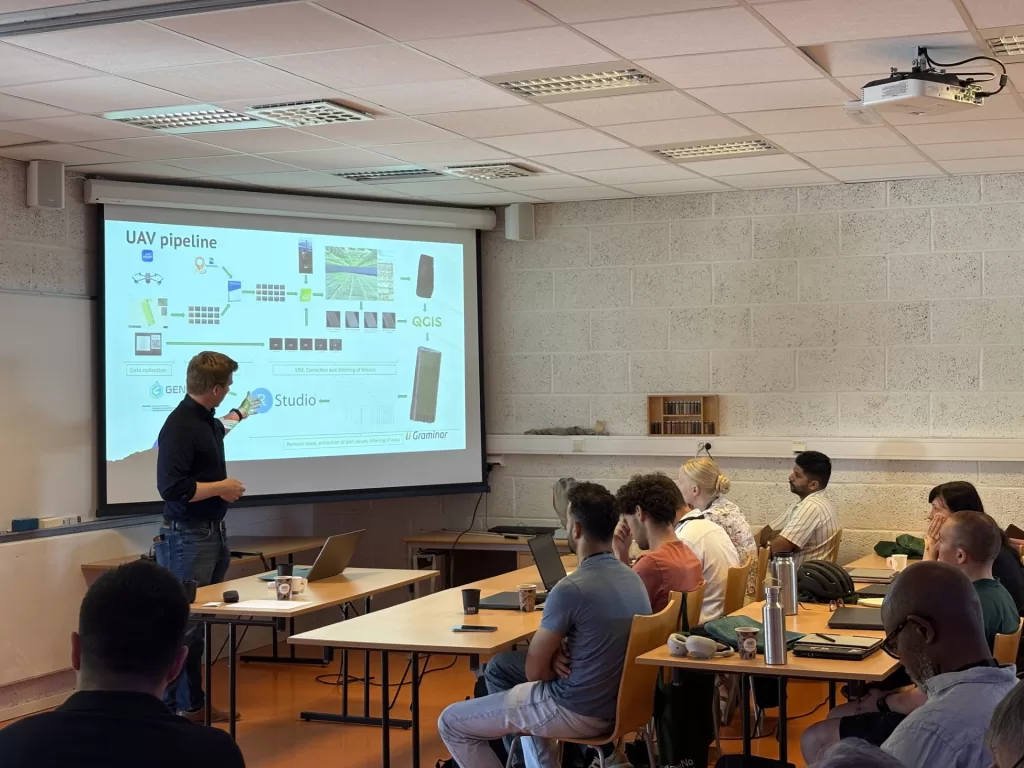
During the first day, Graminor’s Nikolai Ødegaard provided an industry viewpoint on how phenotyping innovation connects to breeding challenges. This link between research and application remained a recurring theme throughout the course.
Hands‑on phenotyping at Vollebekk
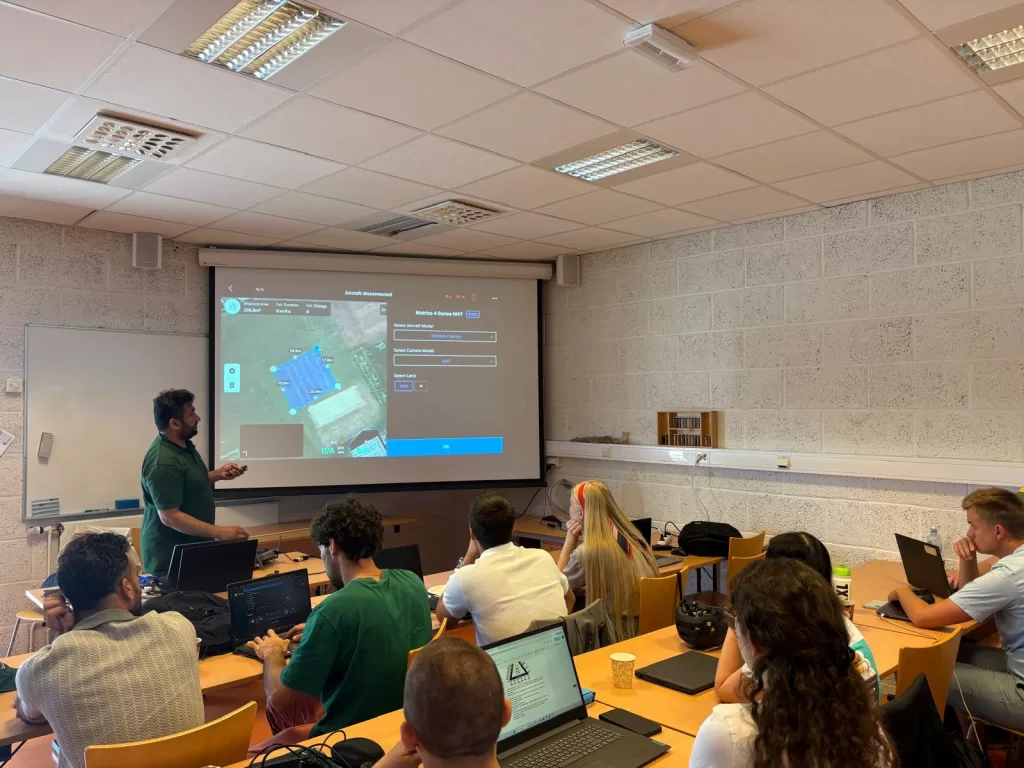
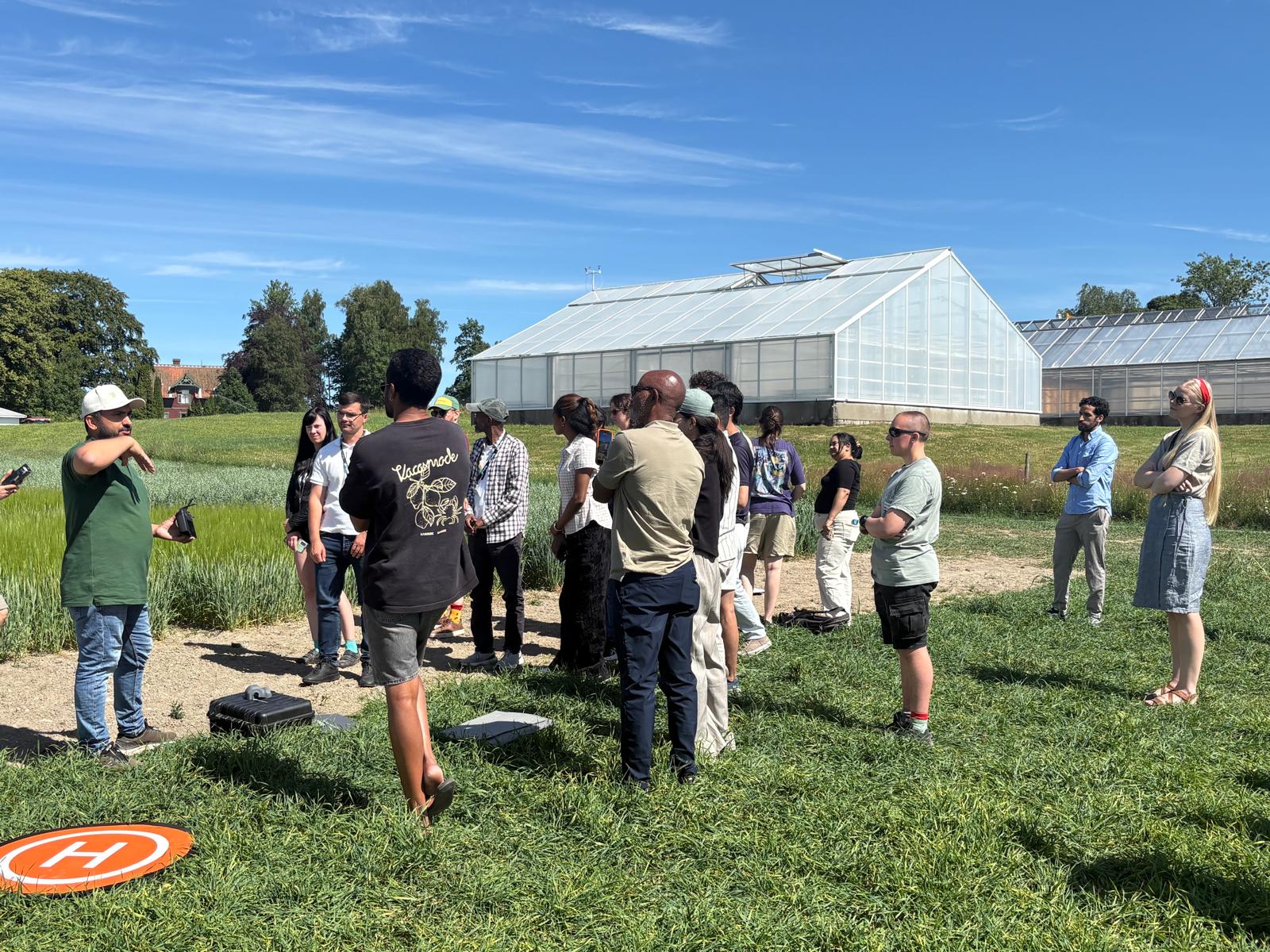
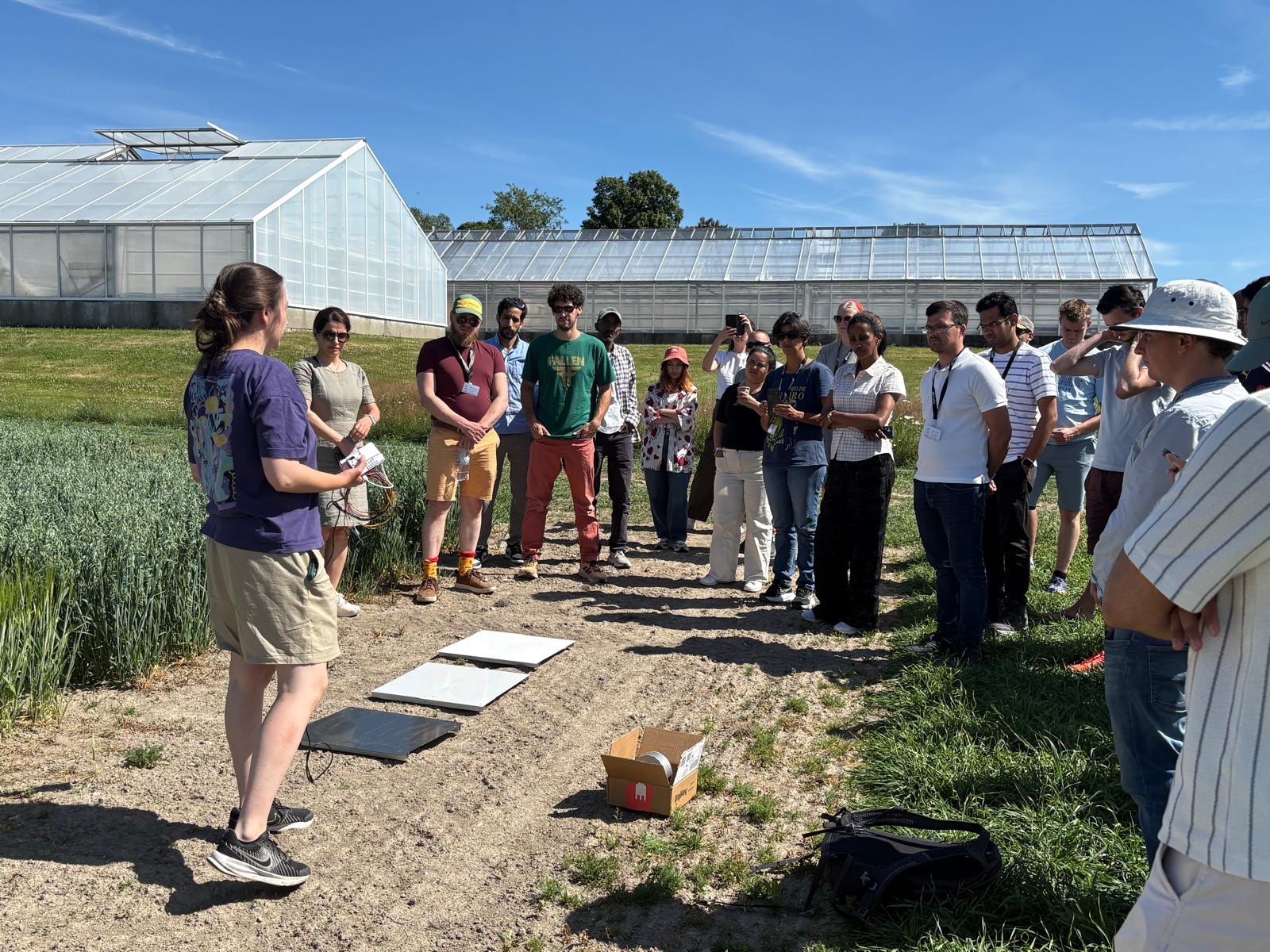
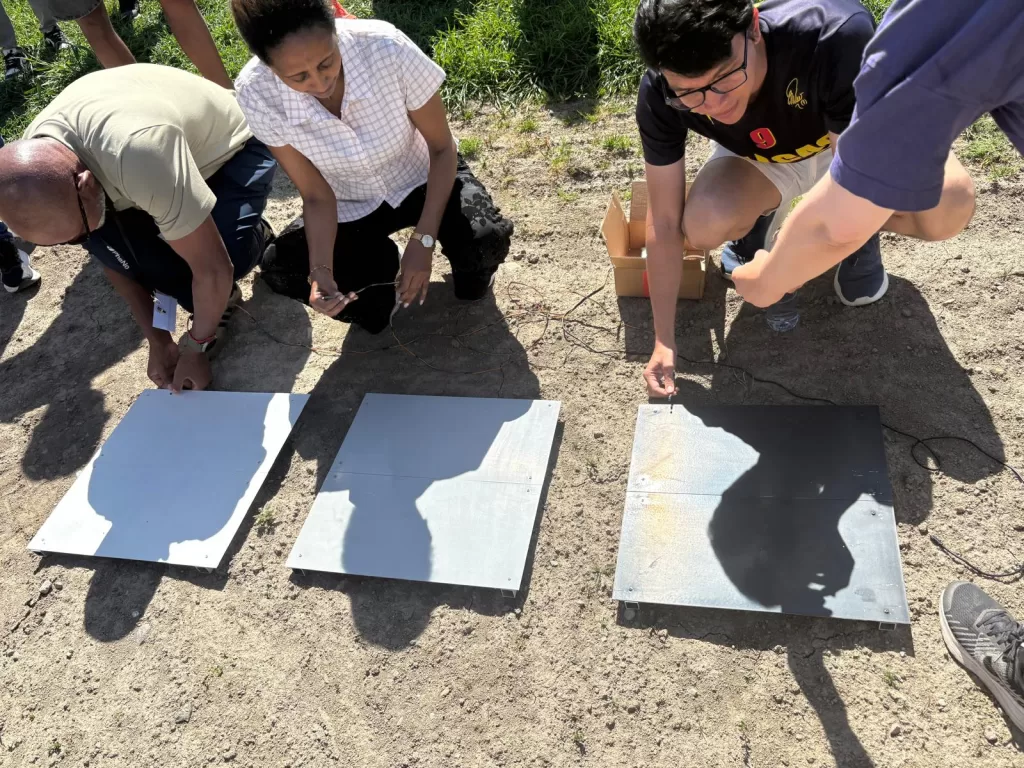
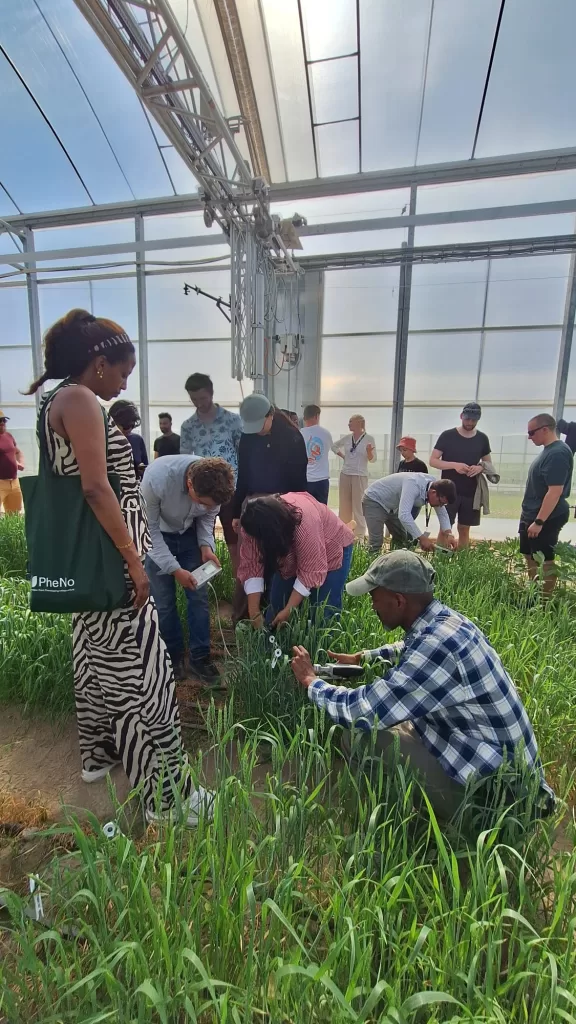
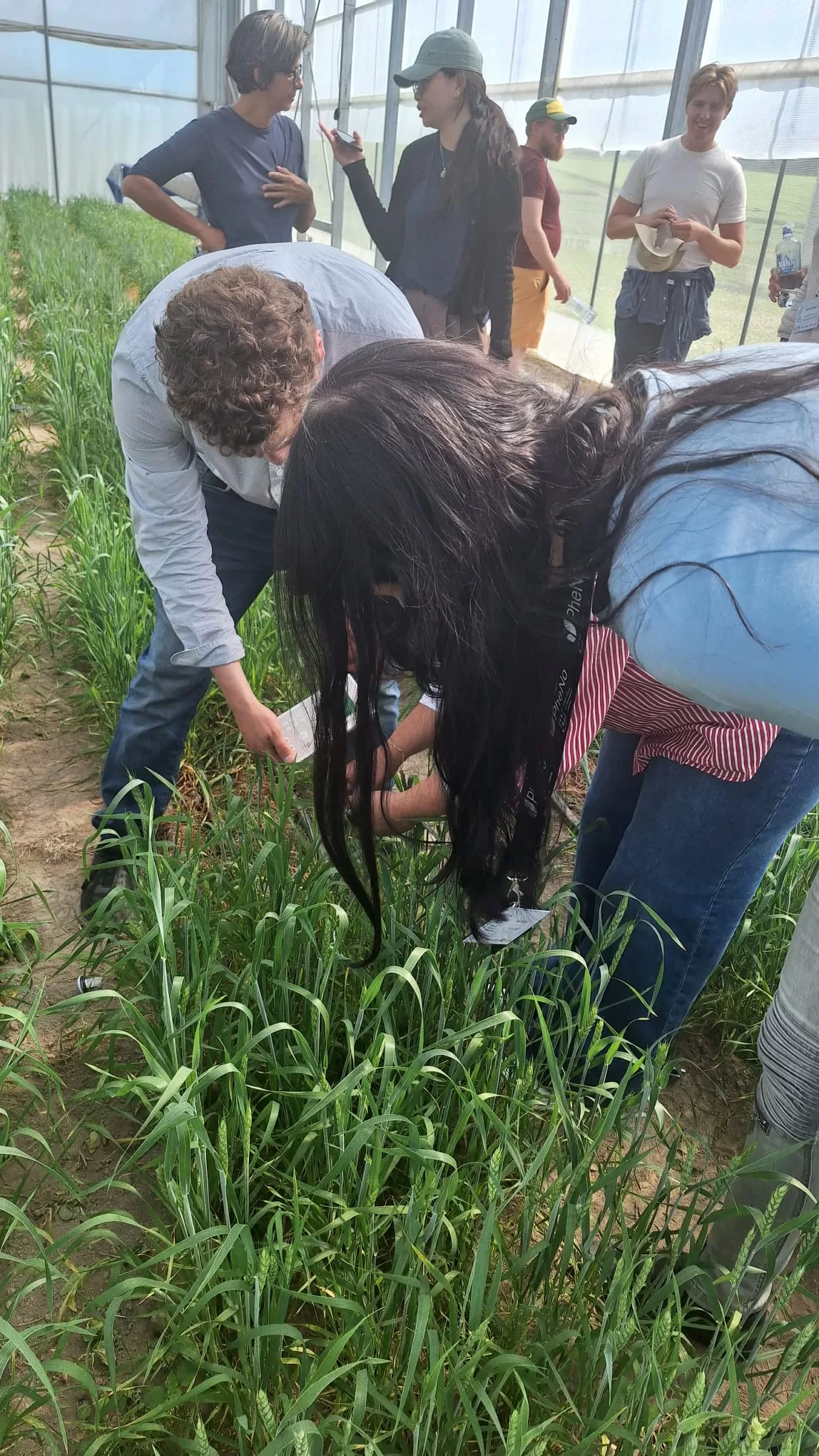
A major highlight was the field session at Vollebekk, where participants explored real field trials, compared methods, and connected theoretical concepts to practical constraints. This transition from classroom to field set the tone for the rest of the week, emphasising sensor operation, data acquisition, and workflow realism. The PheNo team played a central role, showcasing UAV platforms in the field and guiding participants through the full drone‑based phenotyping workflow — a session led by Fahad Ijaz, whose expertise was essential for demonstrating real‑world data acquisition and operational considerations.
Spectrometers, handheld devices, and UAV workflows
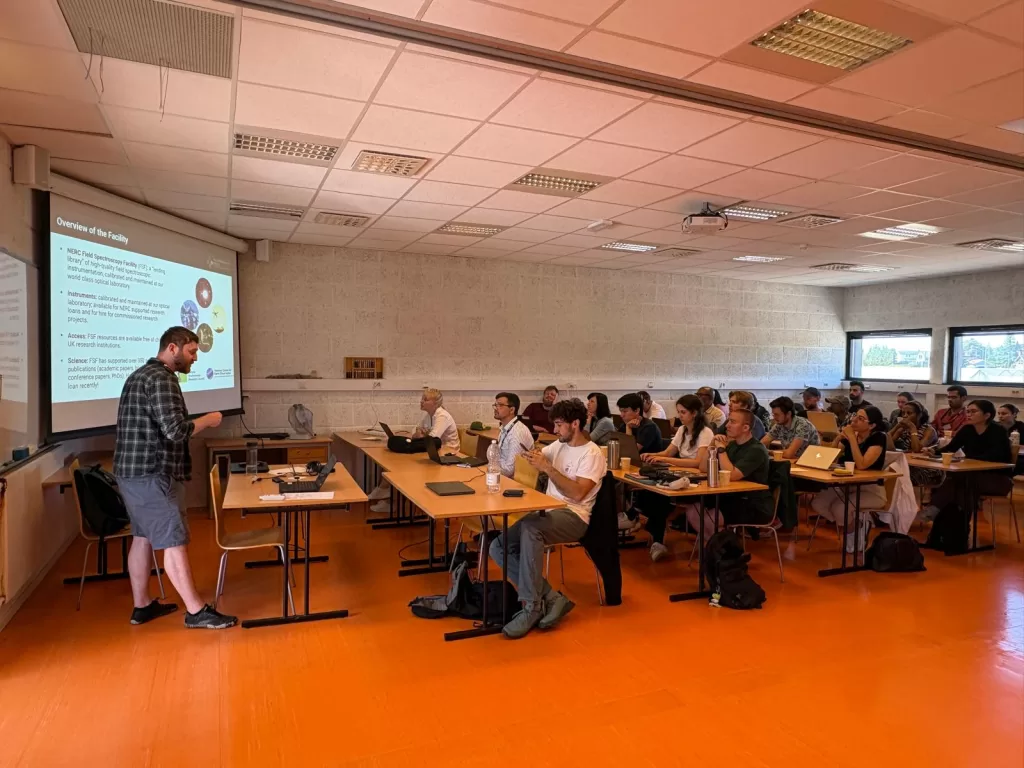
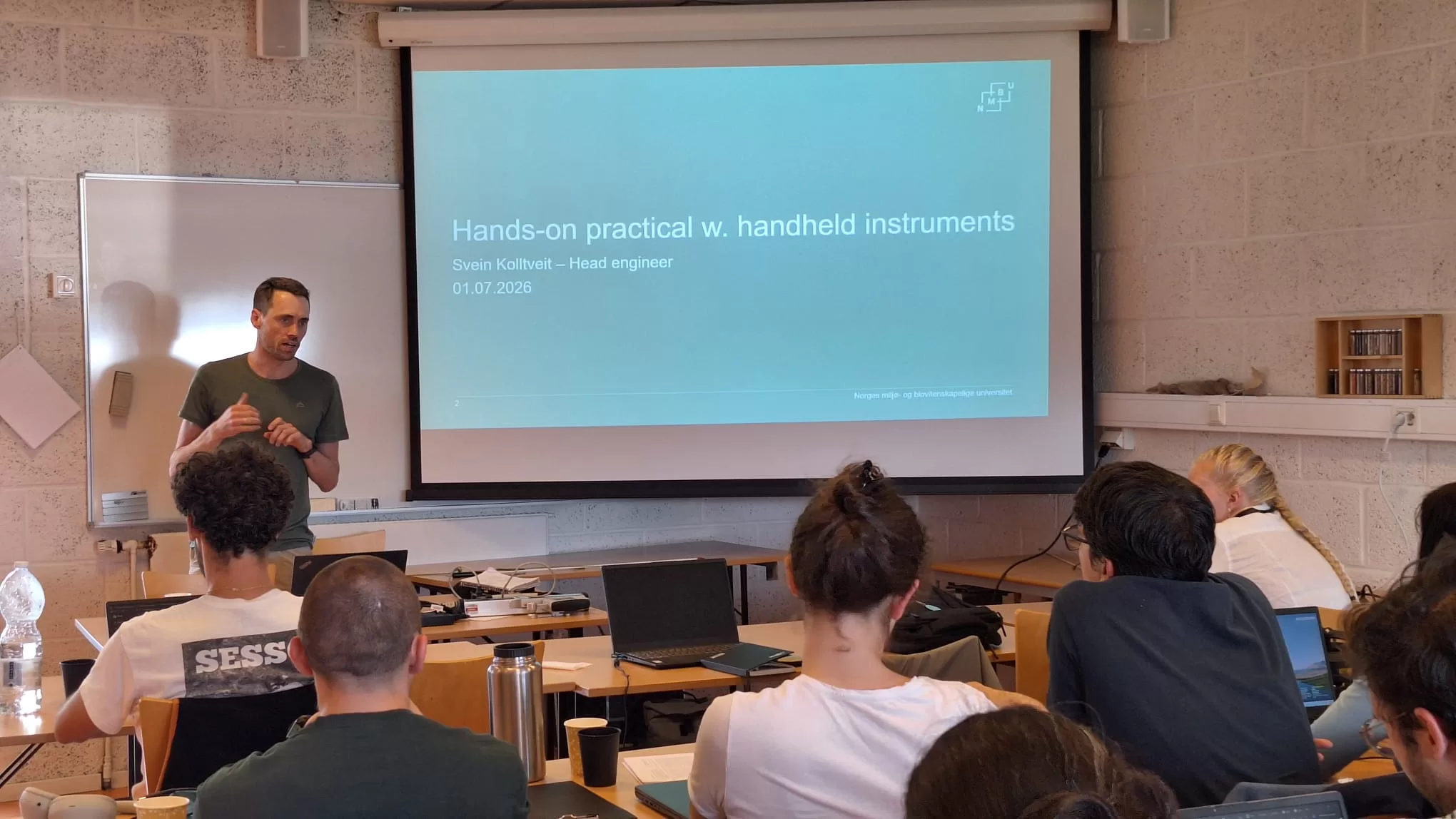
Day 3 focused on spectrometer‑based phenotyping, with sessions led by Alex Merrington and Zoe Halem, followed by hands‑on training with handheld devices guided by Svein Kolltveit (NMBU). Participants practiced data collection, calibration, and interpretation, gaining confidence in both high‑end and low‑cost phenotyping tools.
Scientific discussion and community building
The journal club, where students presented pre‑assigned literature, fostered scientific dialogue and peer learning. Daily reflections, group discussions, and informal exchanges—whether over coffee breaks or the course picnic—strengthened the sense of community.
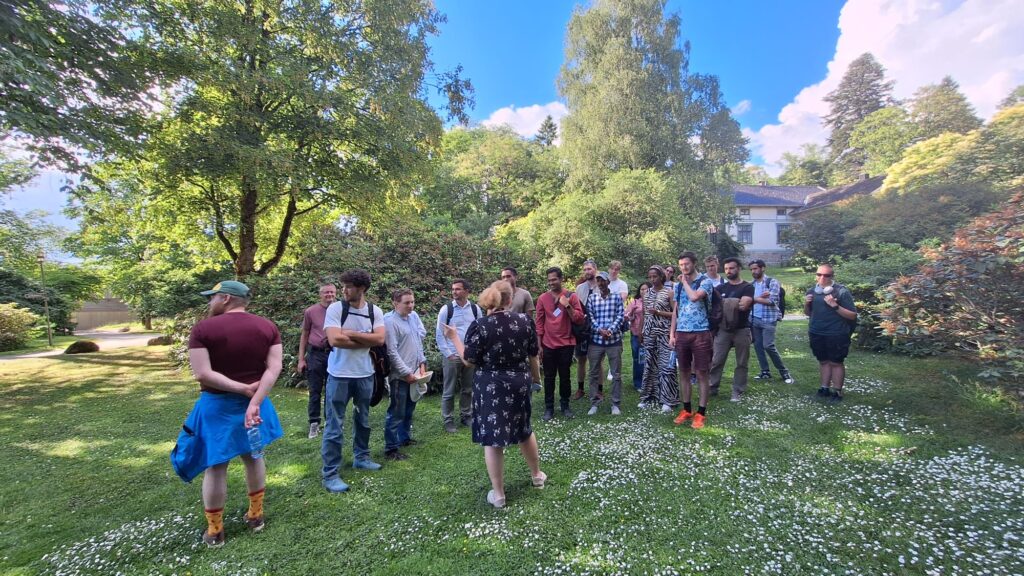
A campus tour led by botanist Camilla Lindberg added a botanical perspective and showcased NMBU’s living collections.
The final day brought the week’s themes together through two forward‑looking sessions:
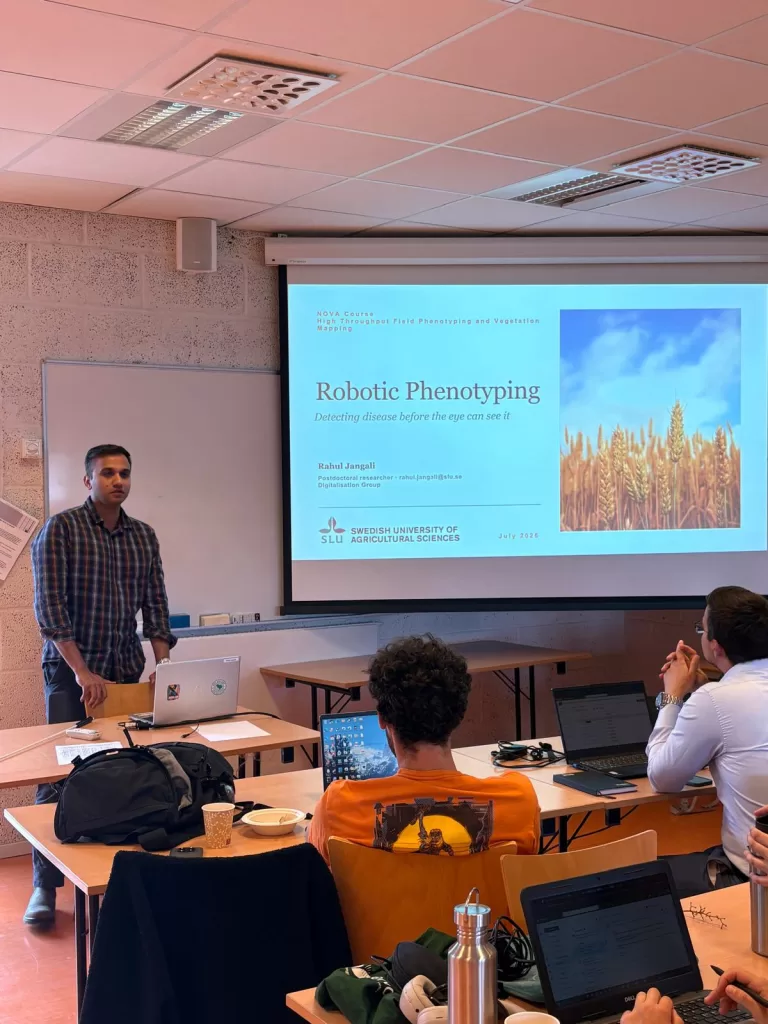
- Robotic phenotyping with Rahul Jangali (SLU), highlighting how autonomous platforms are reshaping field data collection and enabling higher temporal resolution.
- Satellite imaging with Misganu Debella‑Gilo, demonstrating how large‑scale vegetation monitoring complements UAV and ground‑based measurements.
After lunch, participants engaged in an open Q&A session, followed by the course evaluation and wrap‑up, where teachers and students reflected on the week’s achievements, challenges, and future directions. The closing remarks underscored the importance of continued Nordic collaboration in building capacity for high‑throughput phenotyping.
A Nordic effort to strengthen phenotyping capacity
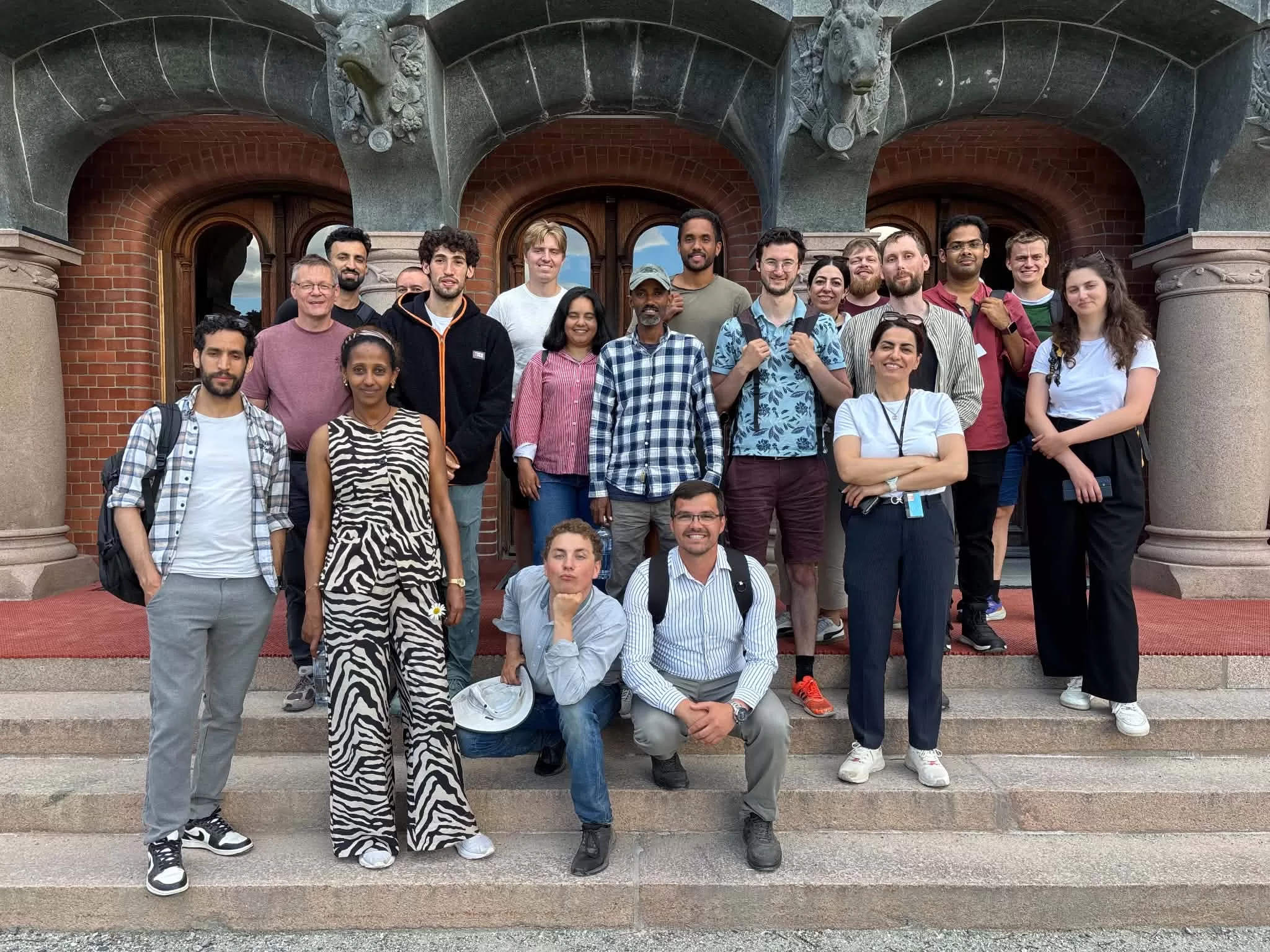
The week was characterised by active discussion, shared problem‑solving, and a strong sense of community among participants. By the end of the week, participants had gained practical experience with UAV imaging, spectrometer workflows, robotic platforms, and satellite‑based vegetation monitoring. With its mix of lectures, hands‑on sessions, and student‑driven activities, NOVA‑412 continues to serve as a key training arena for early‑career researchers working at the intersection of plant science, sensor technology, and data analysis.
PheNo is proud to contribute to this effort and to support the next generation of researchers advancing plant phenotyping.
The course continues to strengthen Nordic expertise in plant phenotyping and remote sensing, and PheNo looks forward to supporting future training initiatives. See you next year!
Give us feedback!
If you attended this workshop share your thoughts.