Training the Next Generation of Plant Phenotyping Researchers
Sara Laranjeira
PheNo coordinator
BIO412/312 Brings High-Throughput Plant Phenotyping to the Next Generation of Researchers
The first edition of BIO412/312 – Principles of High Throughput Plant Phenotyping successfully brought together MSc and PhD students for a unique learning experience combining theory and hands-on training using PheNo’s state-of-the-art phenotyping infrastructure.
Organized by PheNo in collaboration with the University of Oslo (UiO), the Norwegian University of Life Sciences (NMBU), NordPheno, and Photosyntech, the course introduced students to the principles, methods, and applications of modern plant phenotyping.
A key feature of BIO412/312 was its blend of online lectures delivered by internationally recognized experts from the NordPheno network and across Europe, followed by an intensive in-person practical week. This format provided students with both a strong theoretical foundation and direct experience with advanced phenotyping technologies and experimental workflows, helping prepare the next generation of researchers for data-driven plant science.
Learning from International Experts
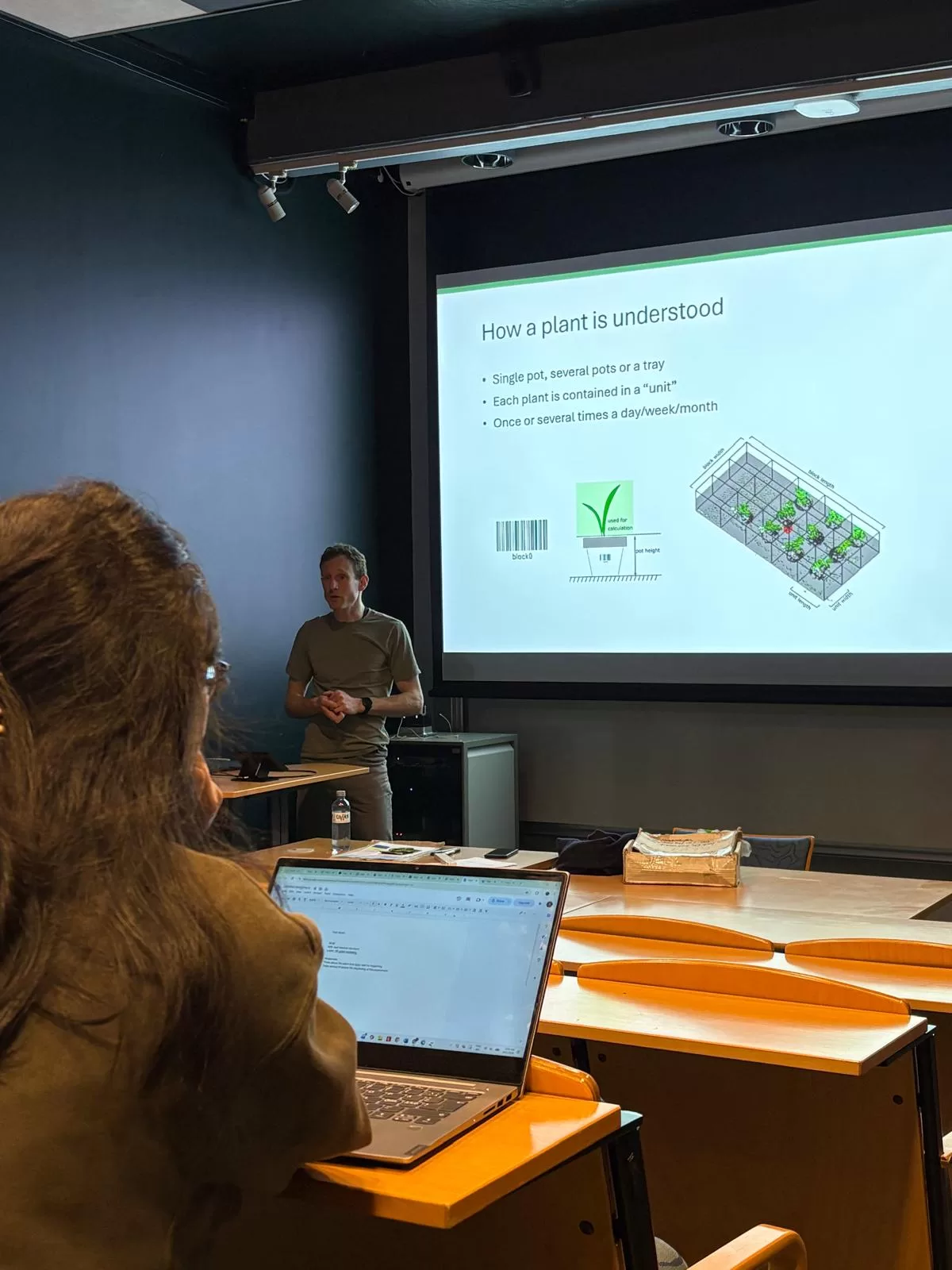
The curse began with a series of online lectures delivered by leading experts in plant phenotyping from across the Nordic region and Europe. Together, the lecturers covered a broad range of topics, including experimental design, imaging and sensor technologies, data analysis, and the application of phenotyping in plant science and agriculture.
The lectures provided students with a strong scientific foundation before they moved on to the practical component of the course, where they could experience many of these methods and technologies firsthand.
From Theory to Practice
The course programme covered key concepts in modern plant phenotyping, including experimental design, digital imaging, data collection, and analysis. Through lectures delivered by researchers and specialists from across the phenotyping community, students were introduced to the opportunities and challenges associated with collecting high-quality phenotypic data at scale.
You can see our lecturers here comprising experts within the NordPheno network, but also Plant Phenotyping experts from Europe.
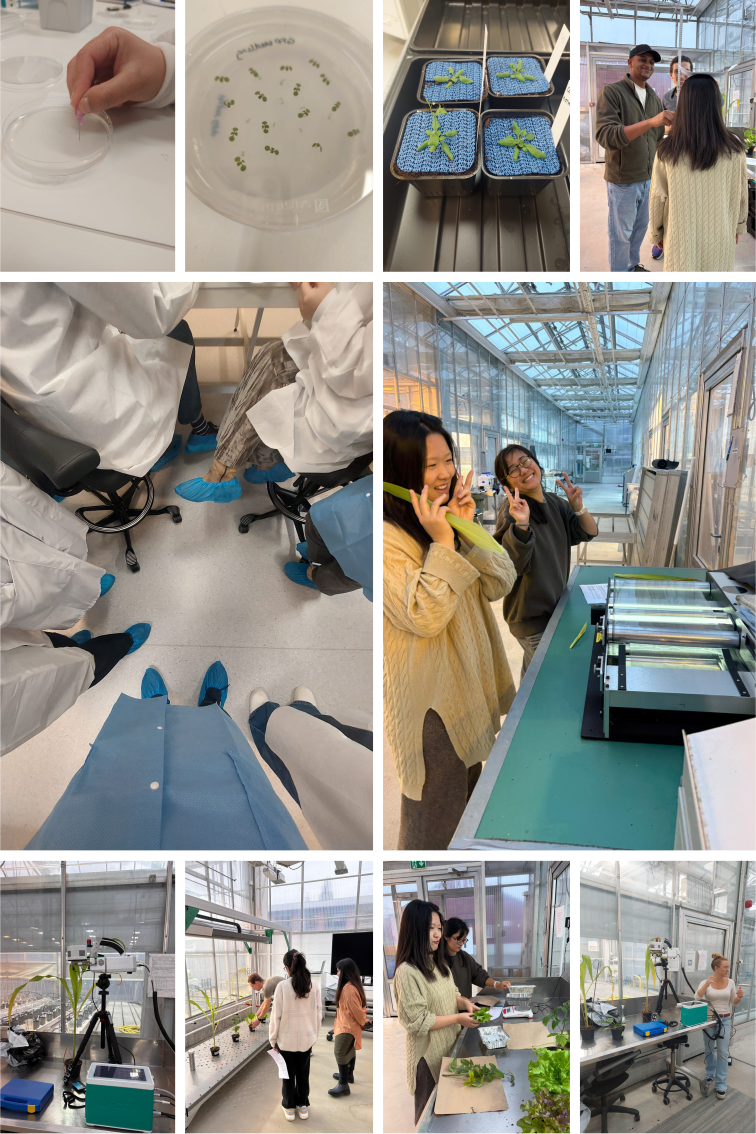
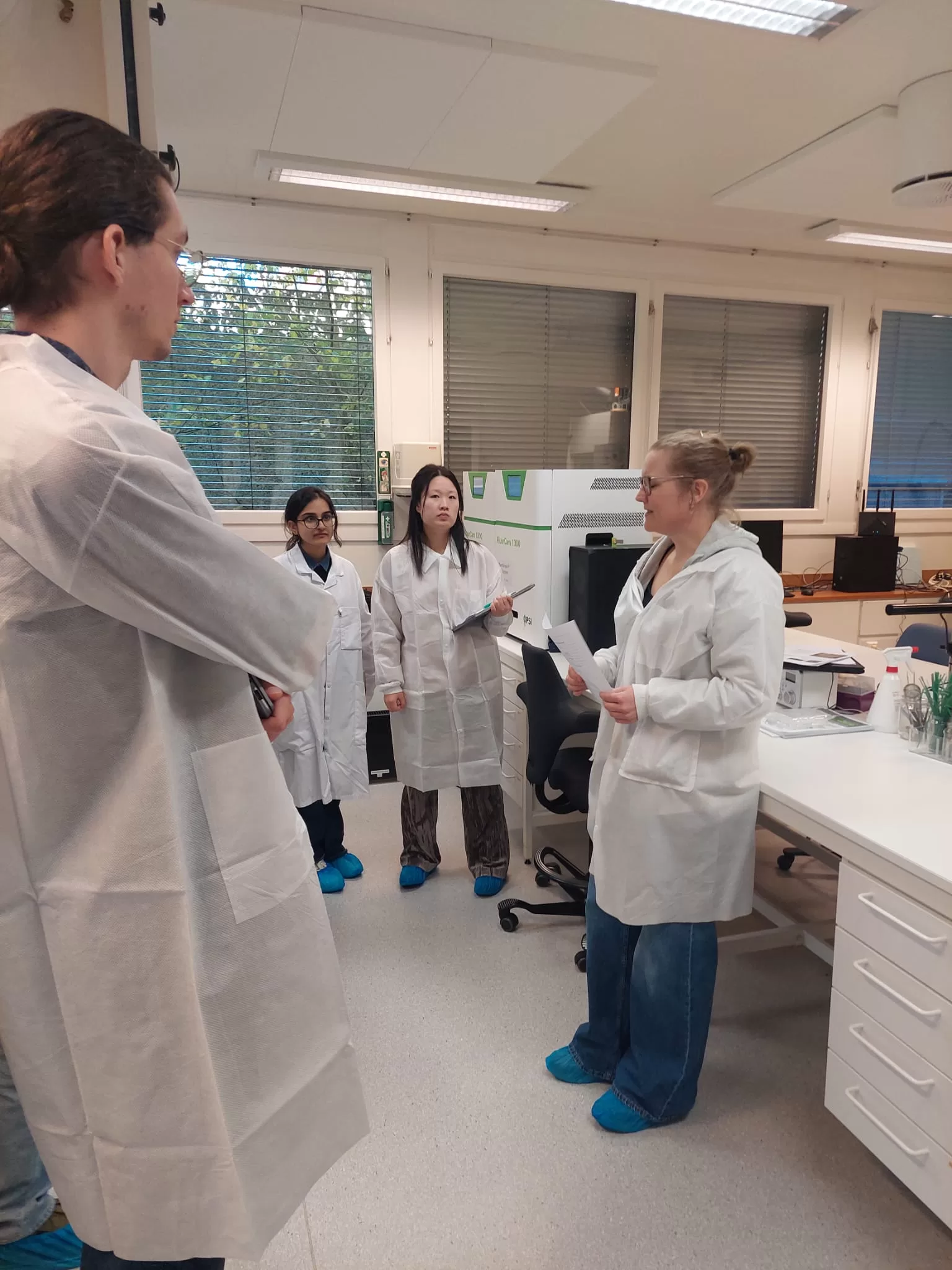
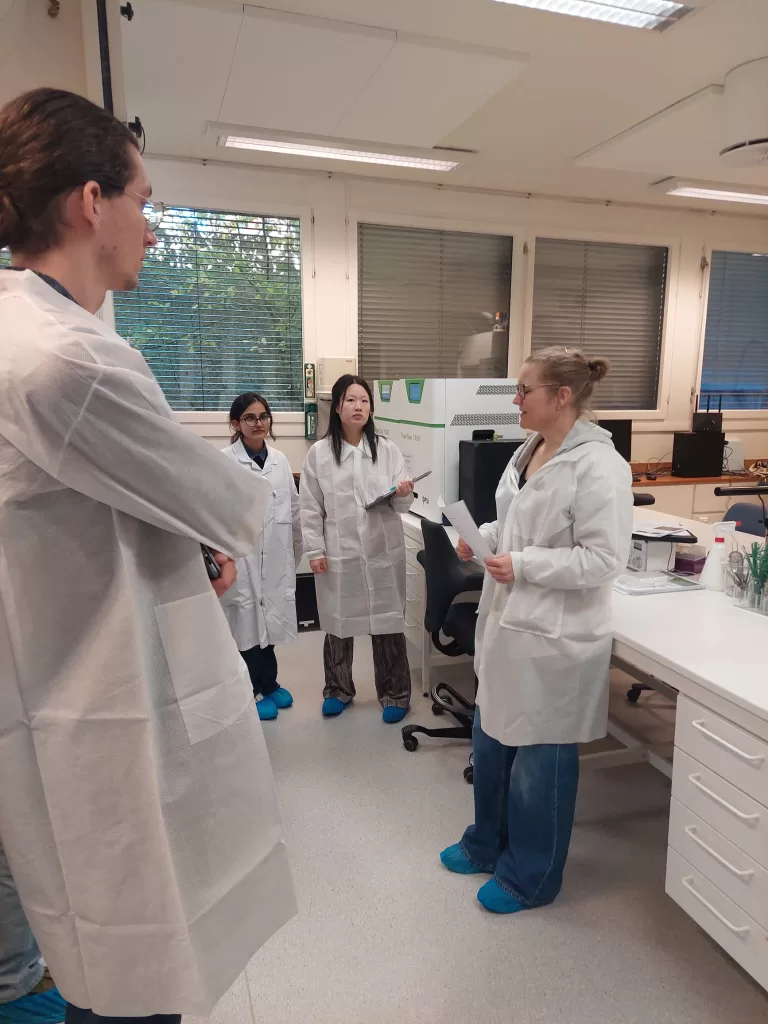
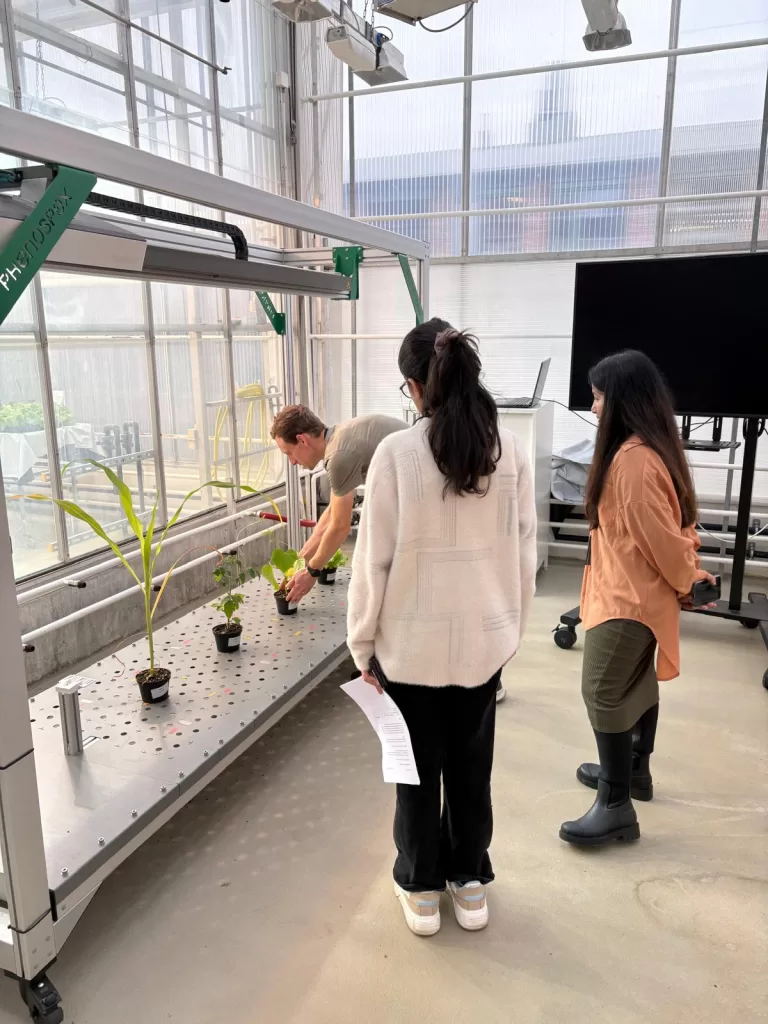
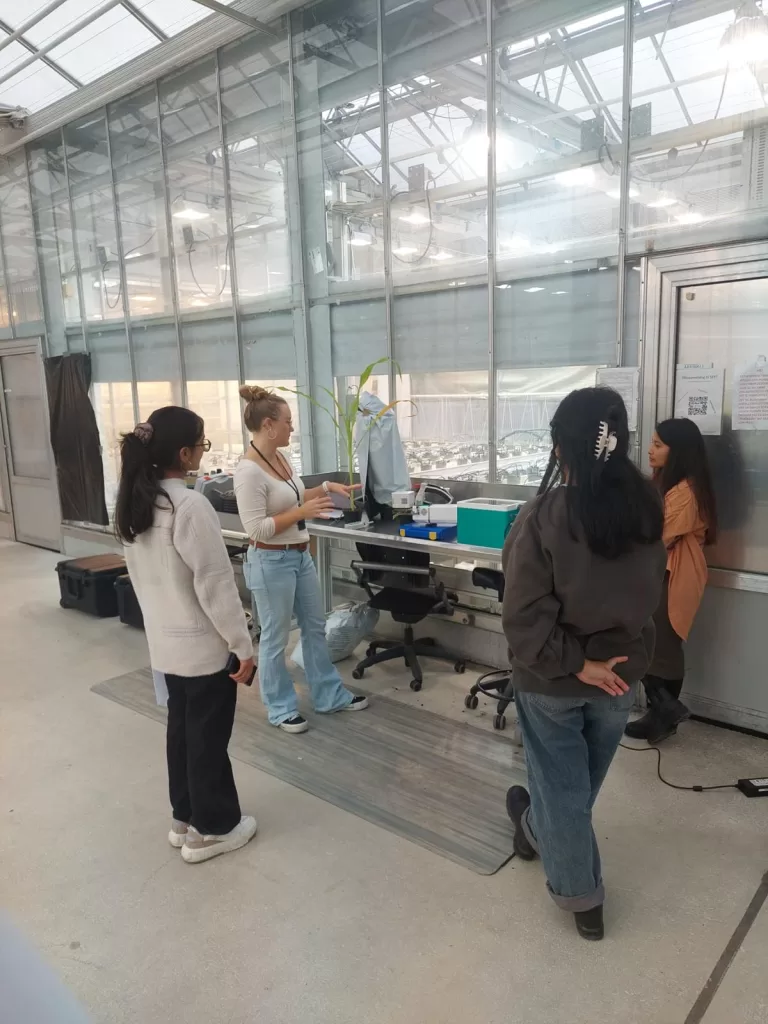
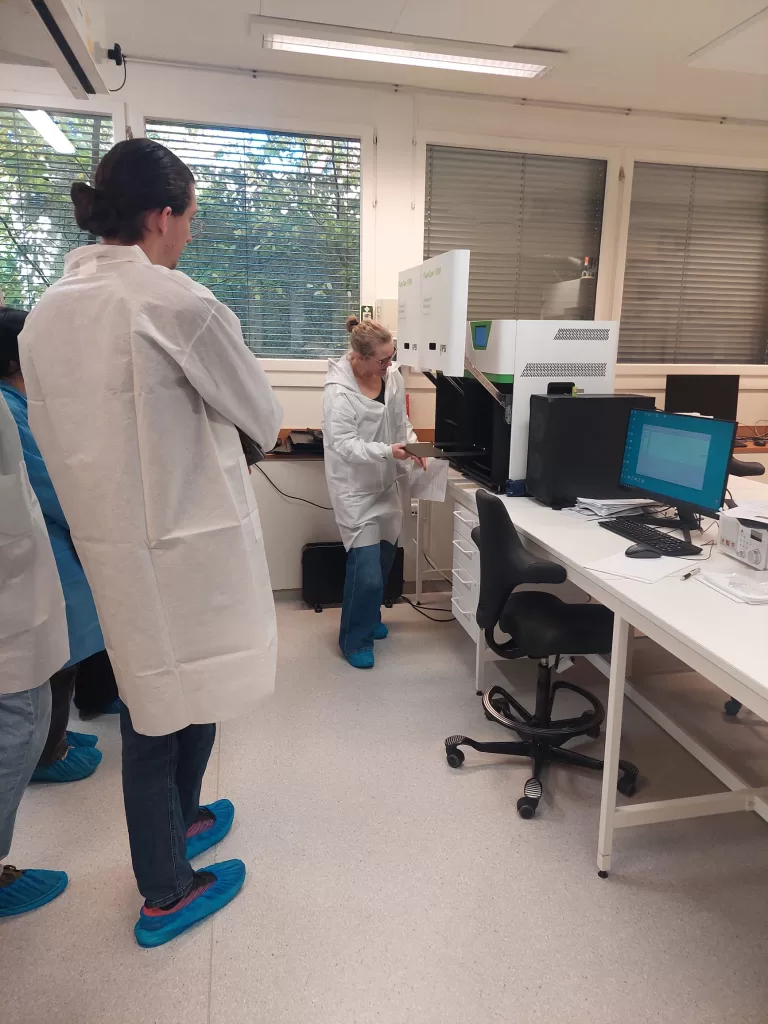
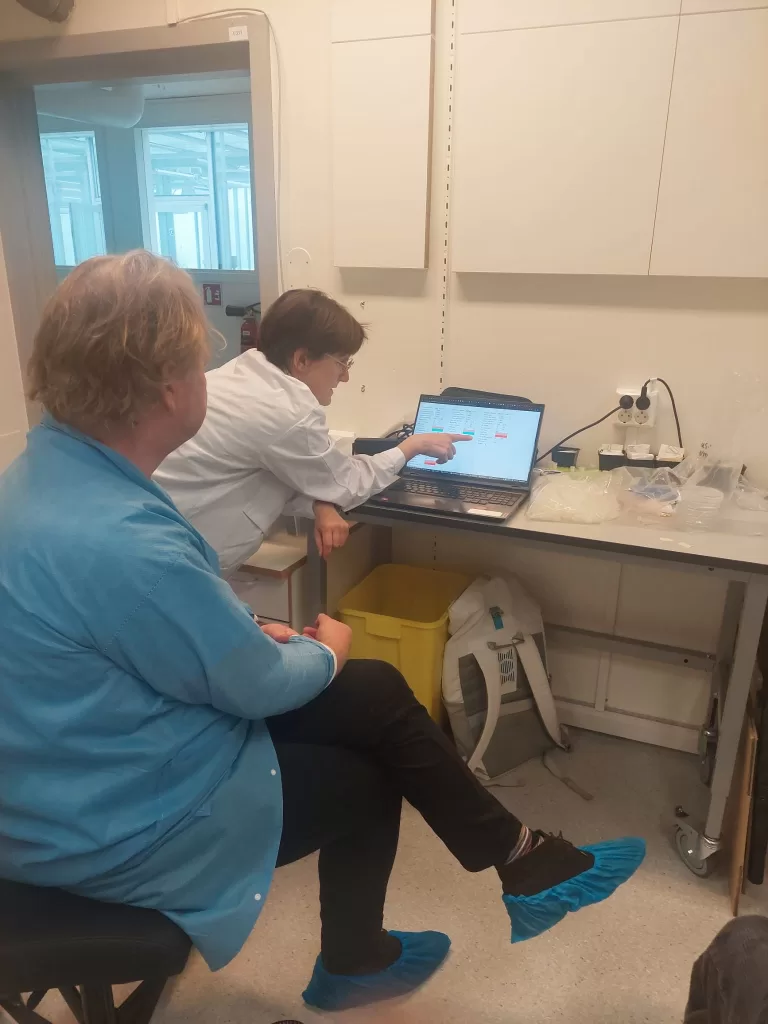
A major highlight of the course was the intensive in-person week, where participants had the opportunity to work directly with a range of advanced phenotyping technologies available through PheNo.
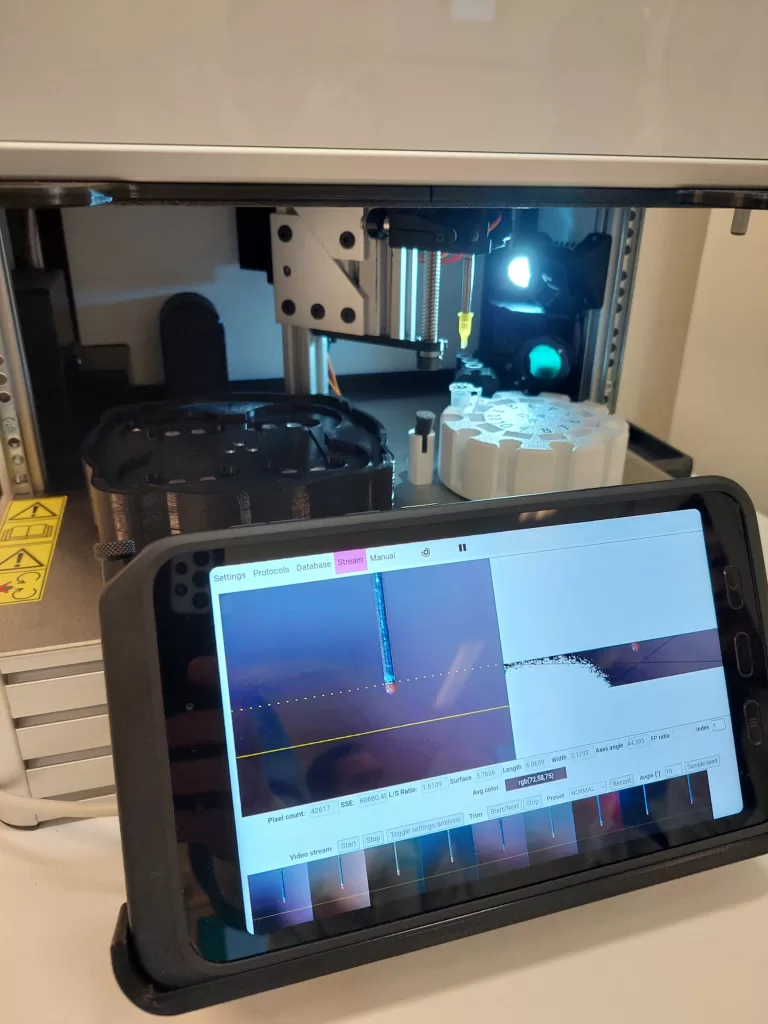
Students gained hands-on experience with:
- TraitFinder high-throughput imaging system
- QSorter seed phenotyping platform
- FluorCam chlorophyll fluorescence imaging system
- BoxSeed imaging platform
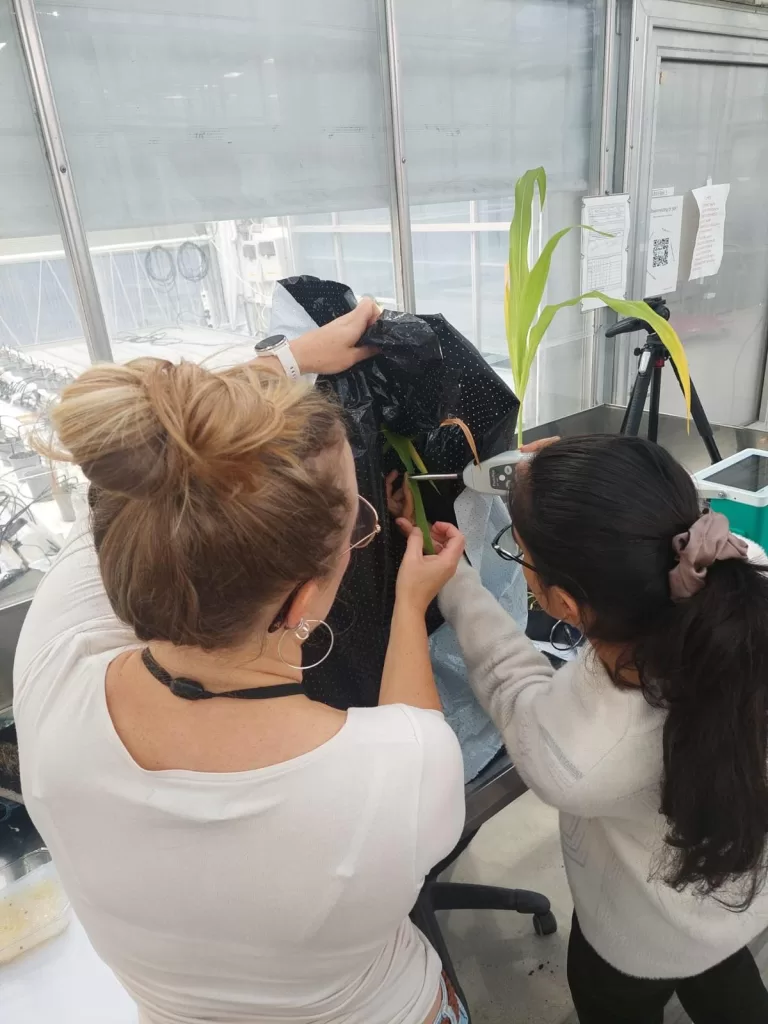
- LI-COR gas exchange systems for photosynthetic measurements
- FluorPen fluorometers and other physiological phenotyping tools
These practical sessions allowed participants to move beyond theory and explore how phenotyping technologies are applied in real research settings, from seed characterization and imaging to photosynthetic performance and plant stress assessment.
Enthusiastic Student Feedback
The course received highly positive feedback from the students, particularly regarding the practical component. Students highlighted the value of interacting directly with the instrumentation, collecting and interpreting data, and discussing real-world applications with researchers and technical experts.
The opportunity to experience multiple phenotyping platforms within a single course provided valuable insight into how different technologies can be combined to answer complex biological questions.
Building Capacity for Future Plant Research
Training activities such as this play an important role in developing the next generation of plant scientists. By connecting students with advanced infrastructure and experienced researchers, the course helps build competencies that are increasingly important for research in plant biology, crop improvement, sustainable agriculture, and food security.
The successful completion of this first edition marks an important milestone for both PheNo, NordPheno, NMBU, Photosyntech and UiO. The enthusiasm shown by students and instructors alike demonstrates the value of combining academic training with access to research infrastructure.
PheNo would like to thank all lecturers, instructors, technical staff, and students who contributed to making the first edition of BIO412/312 a success. We look forward to building on this experience and welcoming future participants to upcoming editions of the course!!!