

PheNo kickoff at NMBU
Sara Laranjeira
PheNo coordinator
PheNo kickoff
The PheNo team organized a successful kickoff event for our project on 13 November. On behalf of the entire team, we would like to express our sincere gratitude for such a wonderful day. A heartfelt thank-you to the over 80 participants who attended the PheNo – Norwegian Plant Phenotyping Infrastructure kickoff event!
It was truly inspiring to see so many dedicated and enthusiastic people come together—our hearts are full.
We began the morning with a scientific session featuring presentations from representatives of the Research Council of Norway (NFR) and the European Research Infrastructure for Plant Phenotyping (EMPHASIS). We were also pleased to welcome our keynote speaker, Kristiina Himanen from NaPPI, who presented the NaPPI phenotyping facility and shared insights from more than 10 years of operational experience.
Scientific Session:
09:00–09:30 | Arrival and coffee
09:30–09:35 | Welcome to NMBU – Erik Trømborg, Pro-Rector for Research and Innovation, Norwegian University of Life Sciences (NMBU)
09:35–09:50 | PheNo – Opening a new era for plant research in Norway – Morten Lillemo, NMBU
09:50–09:55 | Centre for Plant Research in Controlled Climate – Technology upgrades and facilities (SKP) – Jan Roger Sørby, Centre for Plant Research in Controlled Climate (SKP)
09:55–10:05 | The PheNo infrastructure – A key resource for new climate-adapted plant varieties – Vidar Skagestad, Research Council of Norway (NFR)
10:05–10:20 | The next era for pan-European plant phenotyping infrastructure and how it will deliver value to the Norwegian community – Stijn Dhondt, European Research Infrastructure for Plant Phenotyping (EMPHASIS)
10:20–10:50 | Coffee break
10:50–11:20 | Ten years of plant phenotyping at the University of Helsinki – NaPPI infrastructure – Kristiina Himanen, Researcher and Coordinator, National Plant Phenotyping Infrastructure (NaPPI), University of Helsinki


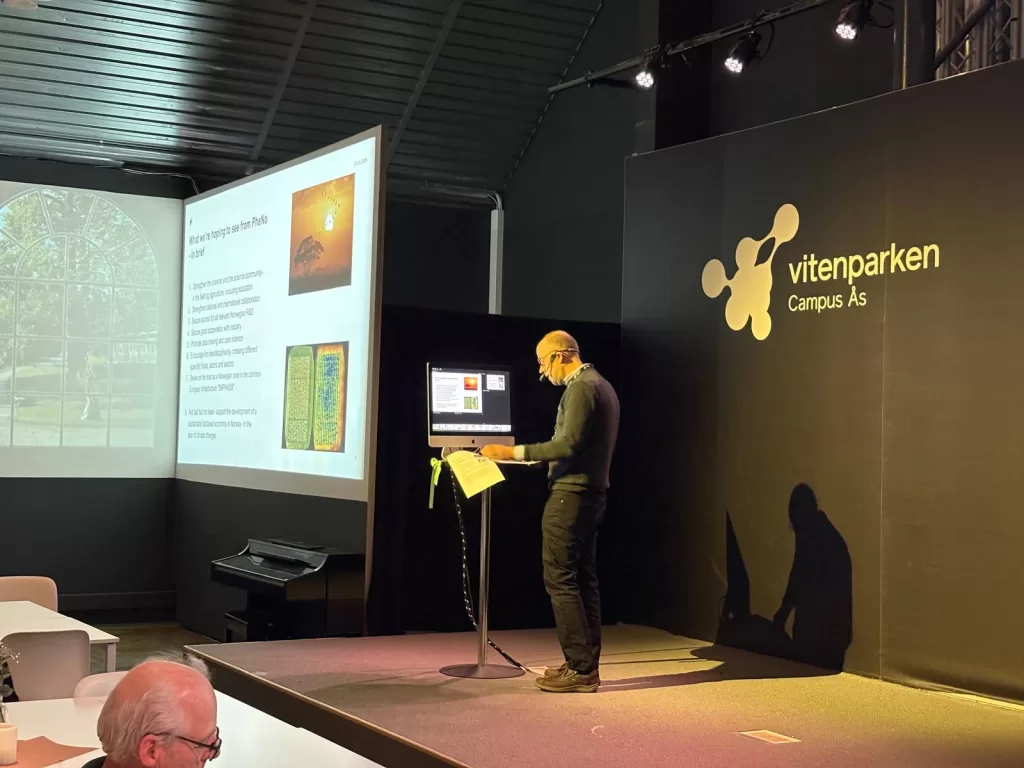

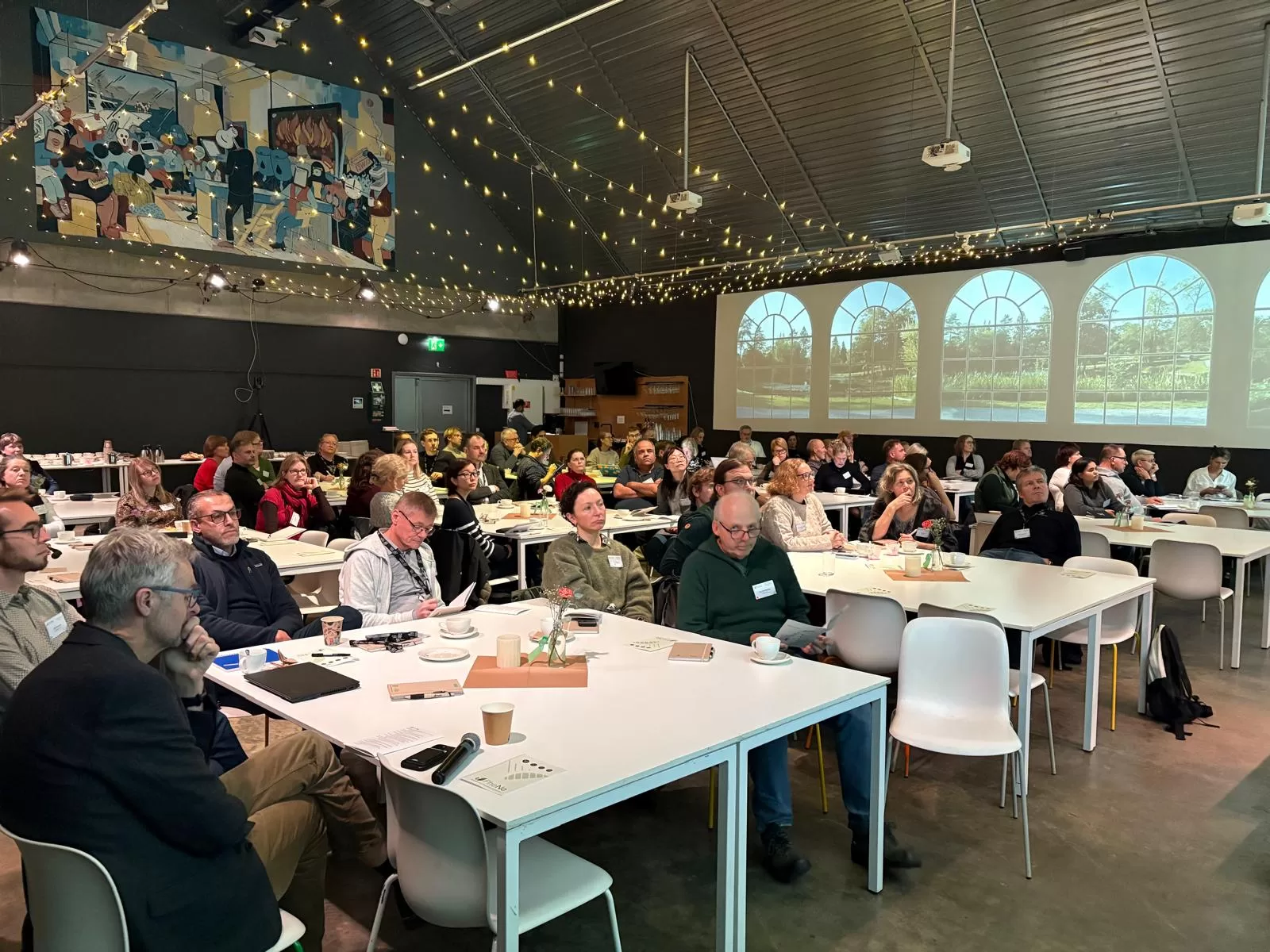

The program then moved on to a session focused on industry perspectives and the role of plant phenotyping in advancing research and innovation in collaboration with industry partners. We were pleased to welcome representatives from Graminor, Yara, BAMA, and Gartnerhallen, who highlighted key challenges, the specific needs of Norwegian agriculture, and the increasing demands related to sustainability.
Industry perspectives:
11:20–11:30 | Fast-tracking crop innovation through phenotyping and speed breeding – Muath Alsheikh, Graminor
11:30–11:40 | Yara’s focus on improving Nitrogen Use Efficiency – Anders Rognlien, Yara
11:40–11:50 | Urgent need for new plant material – Harald Osa, BAMA
11:50–12:00 | Phenotyping – a tool for improvement of yield and quality – Mari Myhrene, Gartnerhallen
12:00–13:00 | Lunch

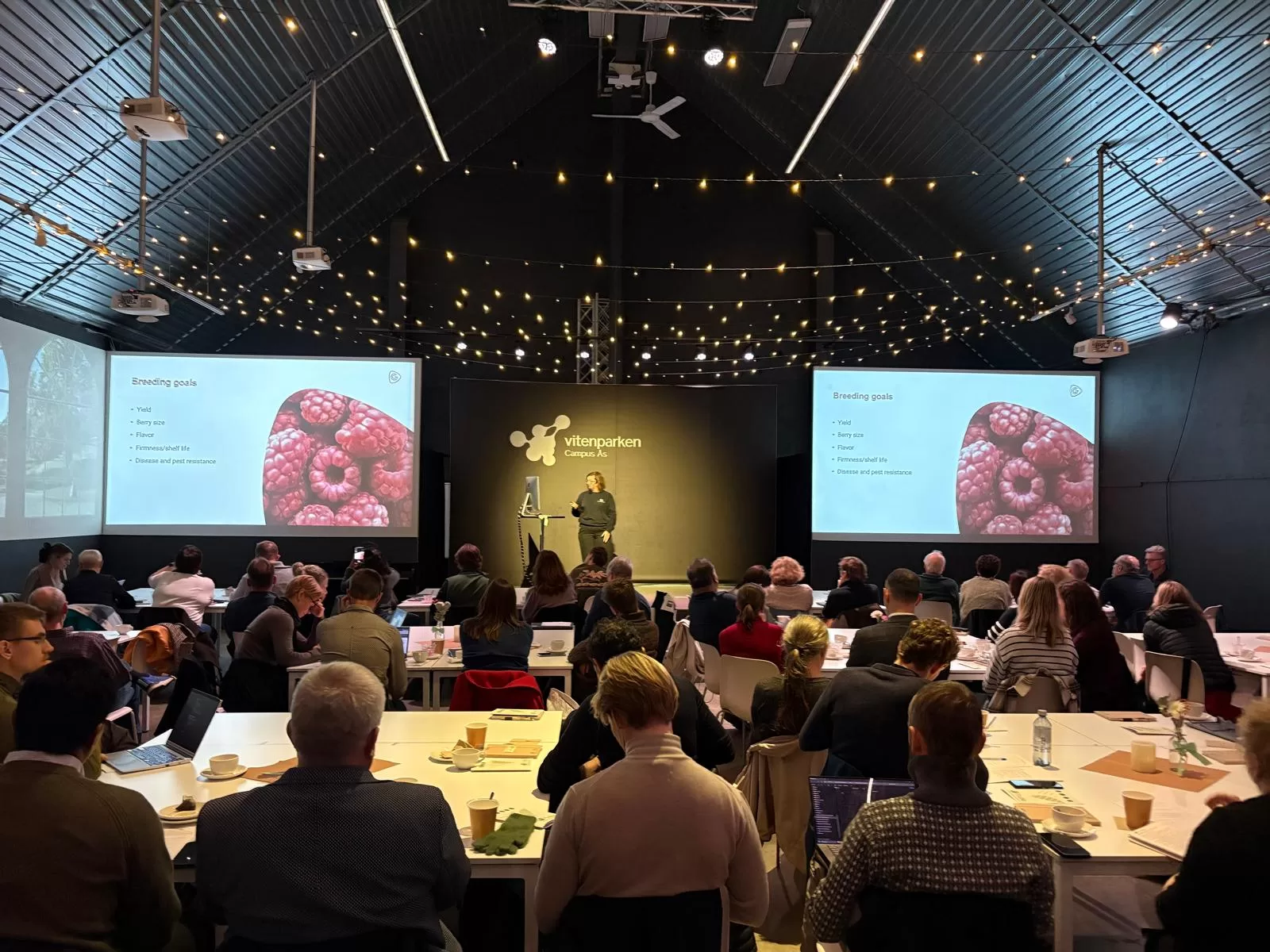

After lunch, the program continued with two insightful presentations focusing on international collaboration and competence development within plant phenotyping.
13:00–13:15 | PhenoPlantCC – A new plant phenotyping competence centre in Lithuania – Gintaras Brazauskas, Lithuanian Research Centre for Agriculture and Forestry (LAMMC), LT
13:15–13:30 | Meeting needs for plant phenotyping competence through PhD education in Norway – Kirsten Krause, UiT / Photosyntech
These talks provided valuable perspectives on developing phenotyping capabilities across Europe and highlighted the importance of training the next generation of experts in the field with the collaboration of Photosyntech.

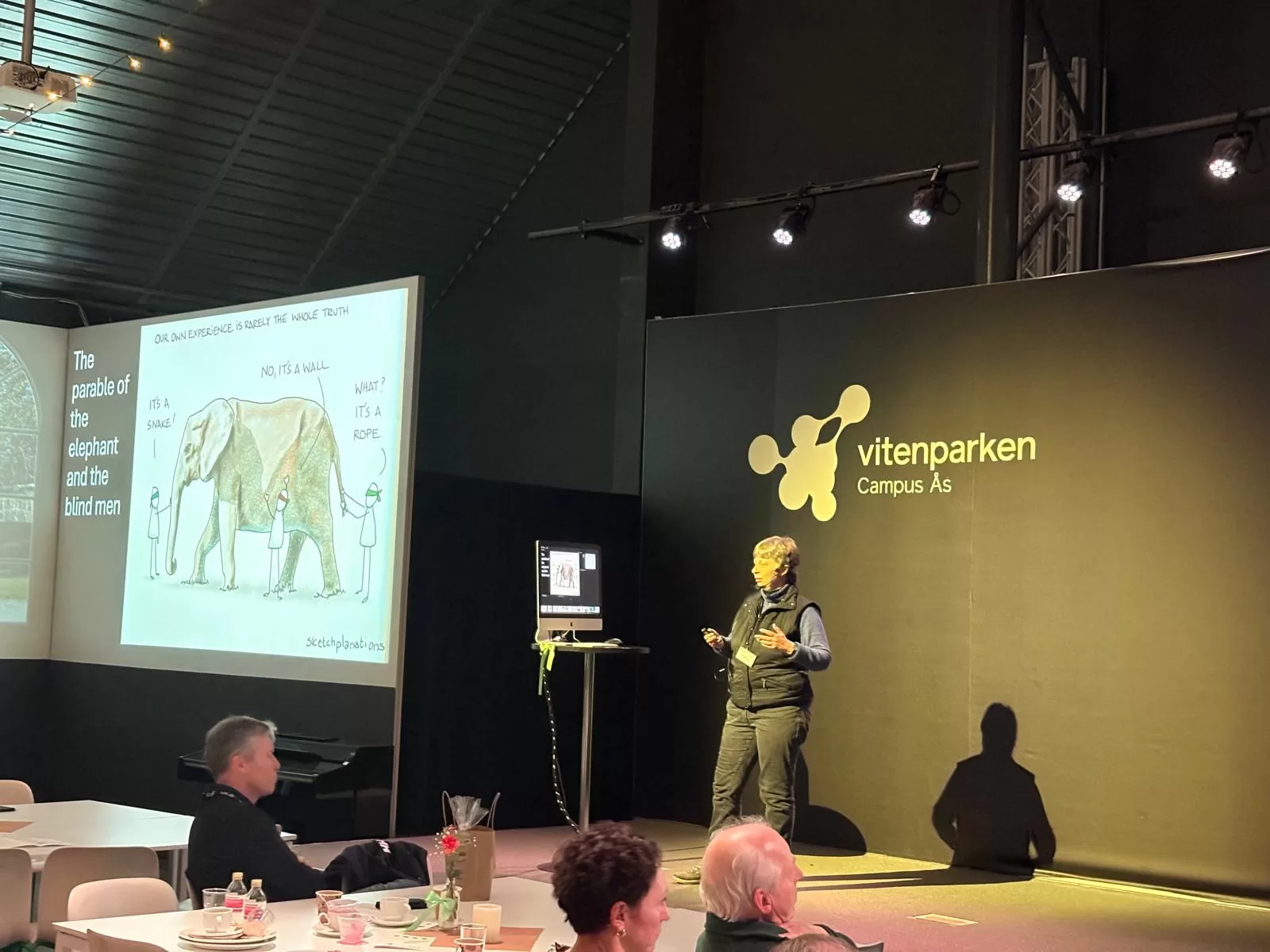
The afternoon technology session provided a comprehensive overview of the advanced equipment available within the PheNo consortium. Participants were introduced to key phenotyping technologies—including the TraitFinder from Phenospex, the QSorter explorer from QualySense, and the BoxSeed from Labdeers. The session also included user perspectives, with insights from Thomas Bawin on his experience using an earlier model, the PlantEye F600.
Technology session:
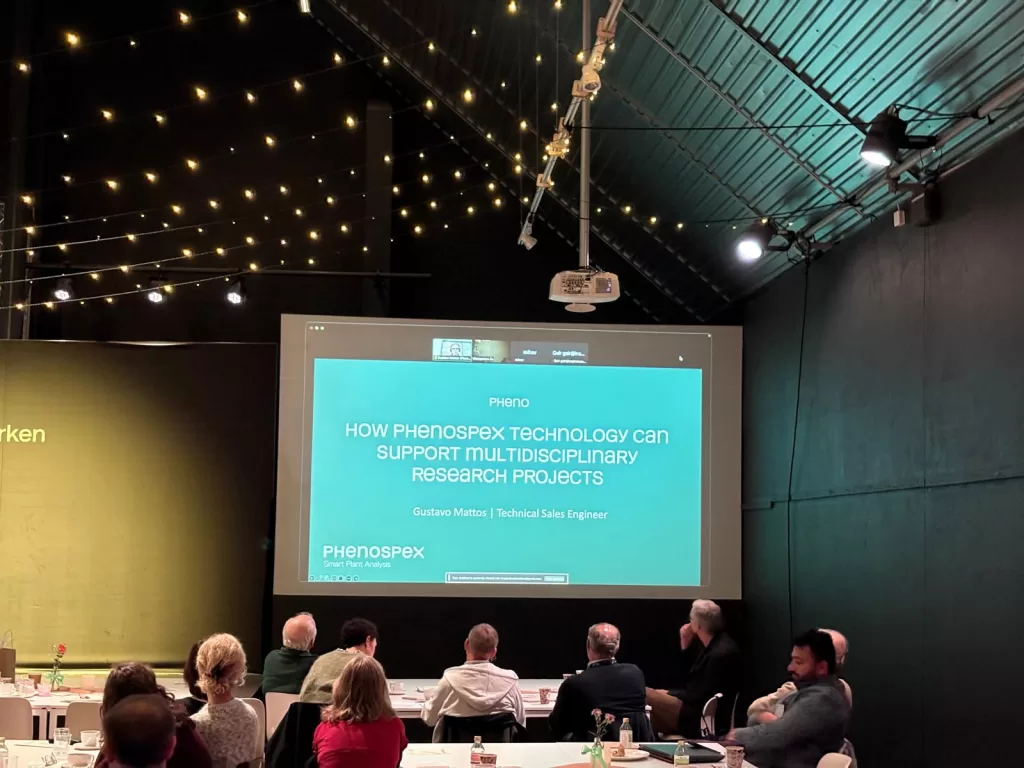
13:30–13:45 | How Phenospex technology can support multidisciplinary research projects – Gustavo Mattos, Phenospex, NL (online session)
13:45–14:00 | Plant phenotyping in the Arctic: A user’s perspective on the PlantEye F600 – Thomas Bawin, UiT The Arctic University of Norway
14:00–14:15 | Coffee break
14:15–14:30 | QSorter: High-speed single-seed phenotyping – Miha Vrankar, QualySense, CH (online session)
14:30–14:45 | Labdeers for seed phenotyping in plant research – Tereza Dobisová, CEO, Labdeers s.r.o., CZ

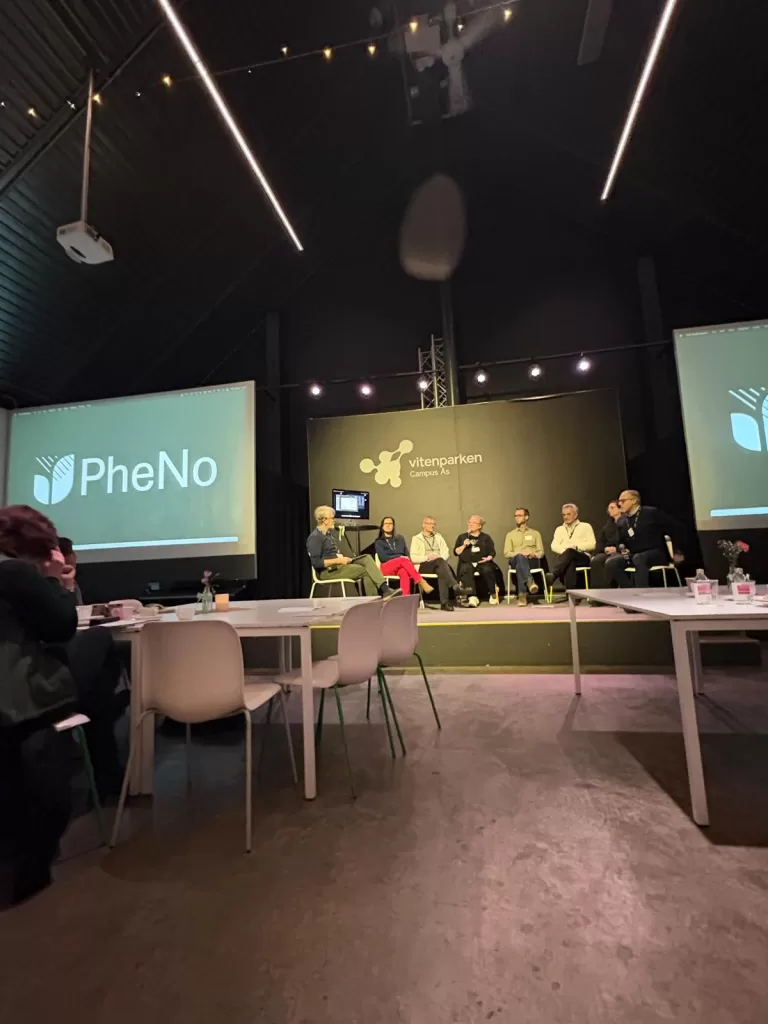
14:45–15:20 | Round Table (Moderated by Odd Arne Rognli) The role of PheNo as a national infrastructure – Opportunities and Challenges
The round table proved to be a highly productive and insightful session. Participants representing national users, researchers, industry partners, and technology developers joined in a lively discussion on the role of PheNo as a national infrastructure. The conversation highlighted both the challenges and the significant opportunities within plant phenotyping, emphasizing how strengthened collaboration across sectors can accelerate innovation. The exchange of perspectives created a dynamic atmosphere and underscored the importance of PheNo in supporting cutting-edge plant science in Norway.
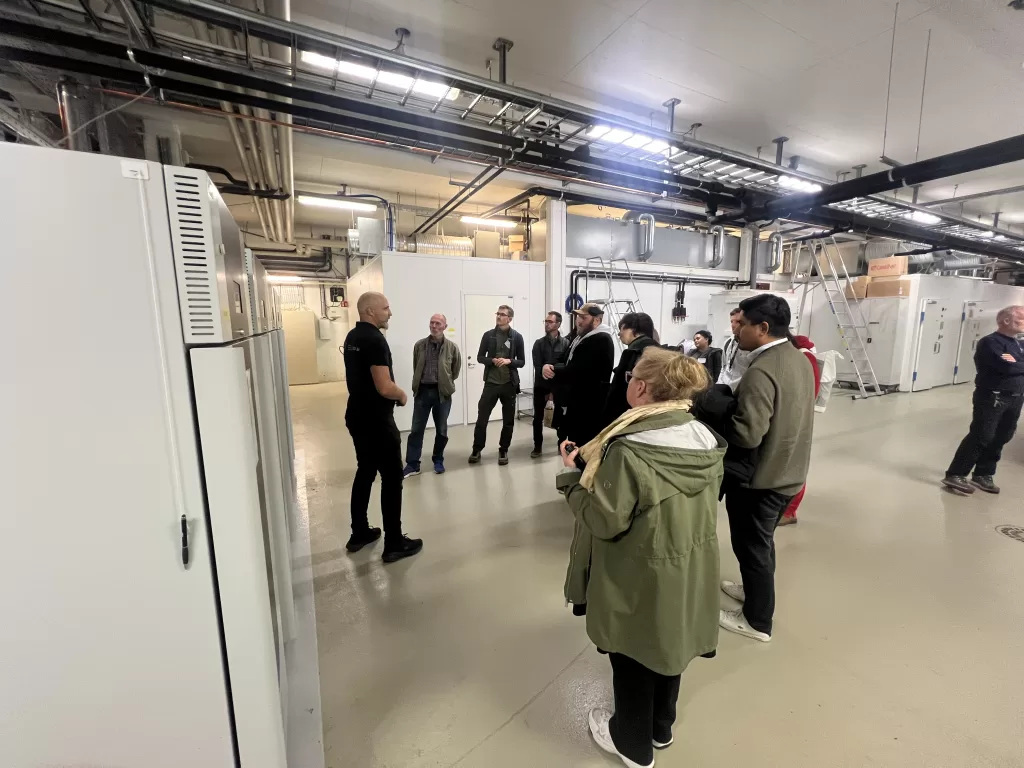
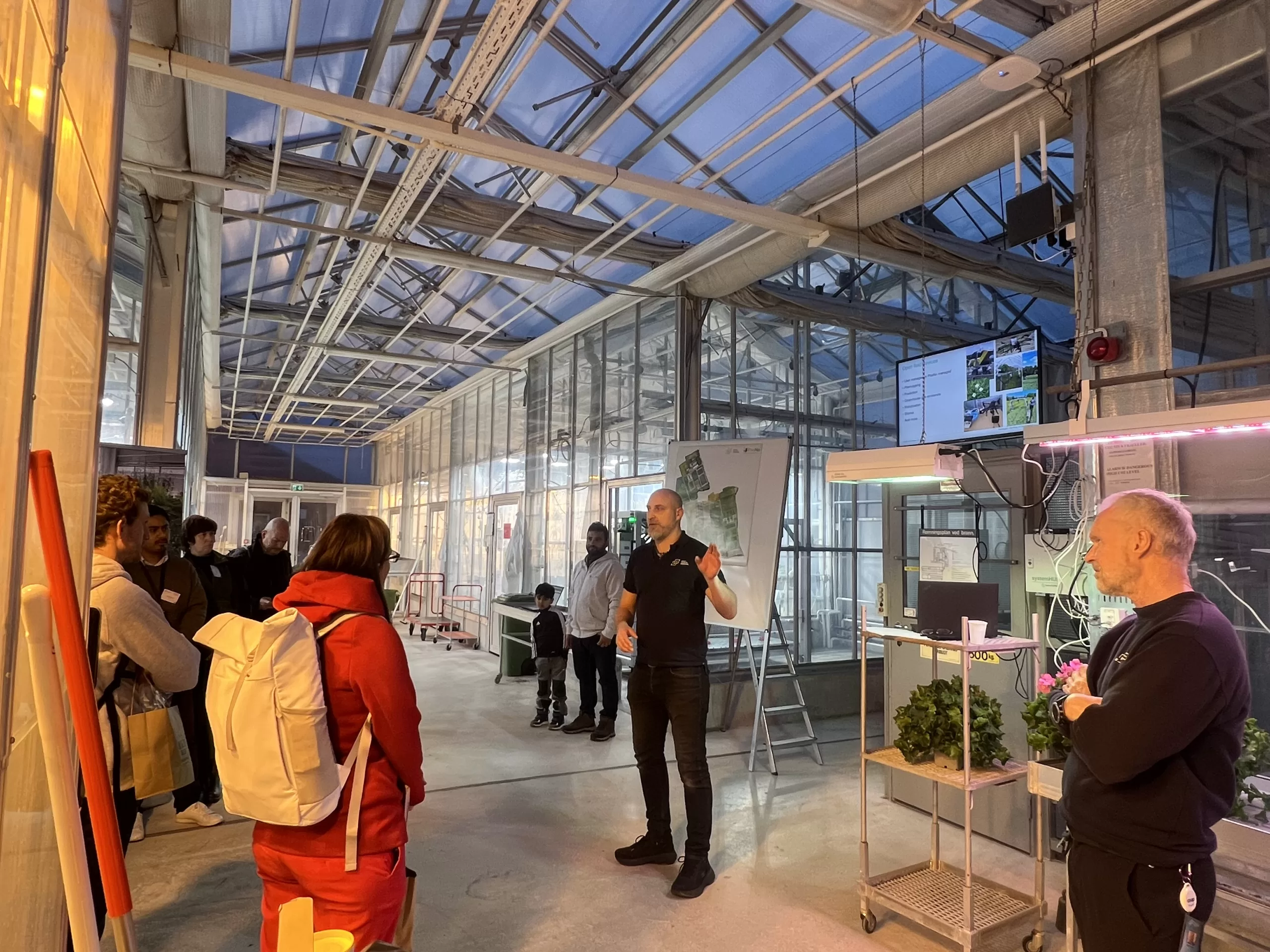
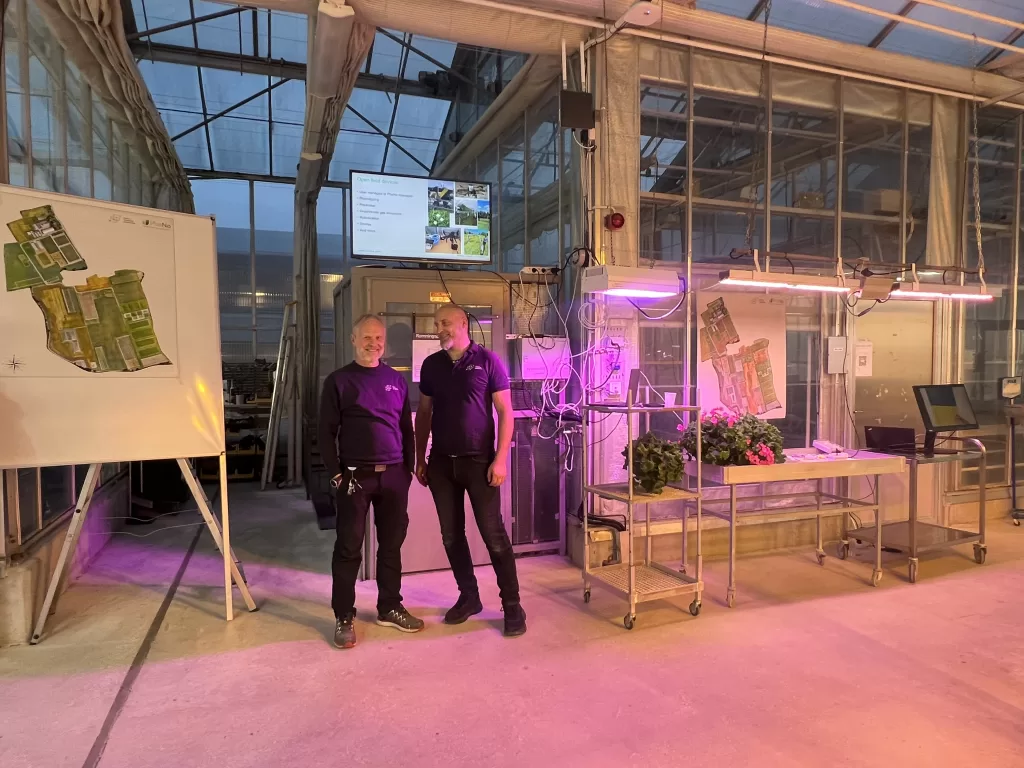
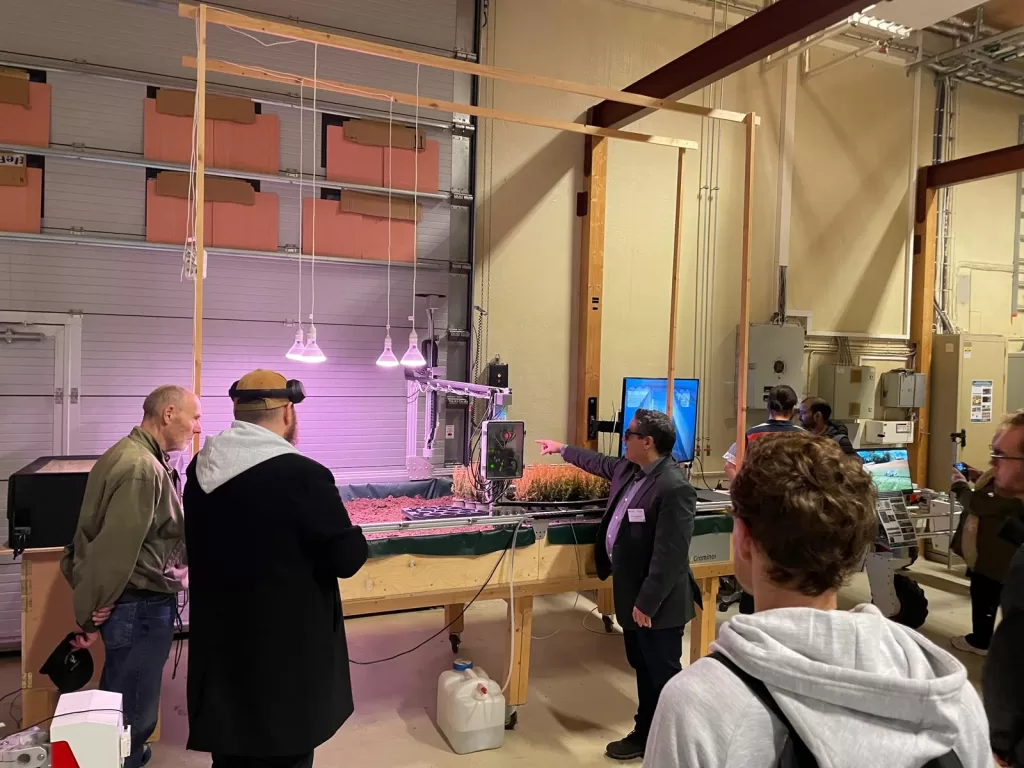
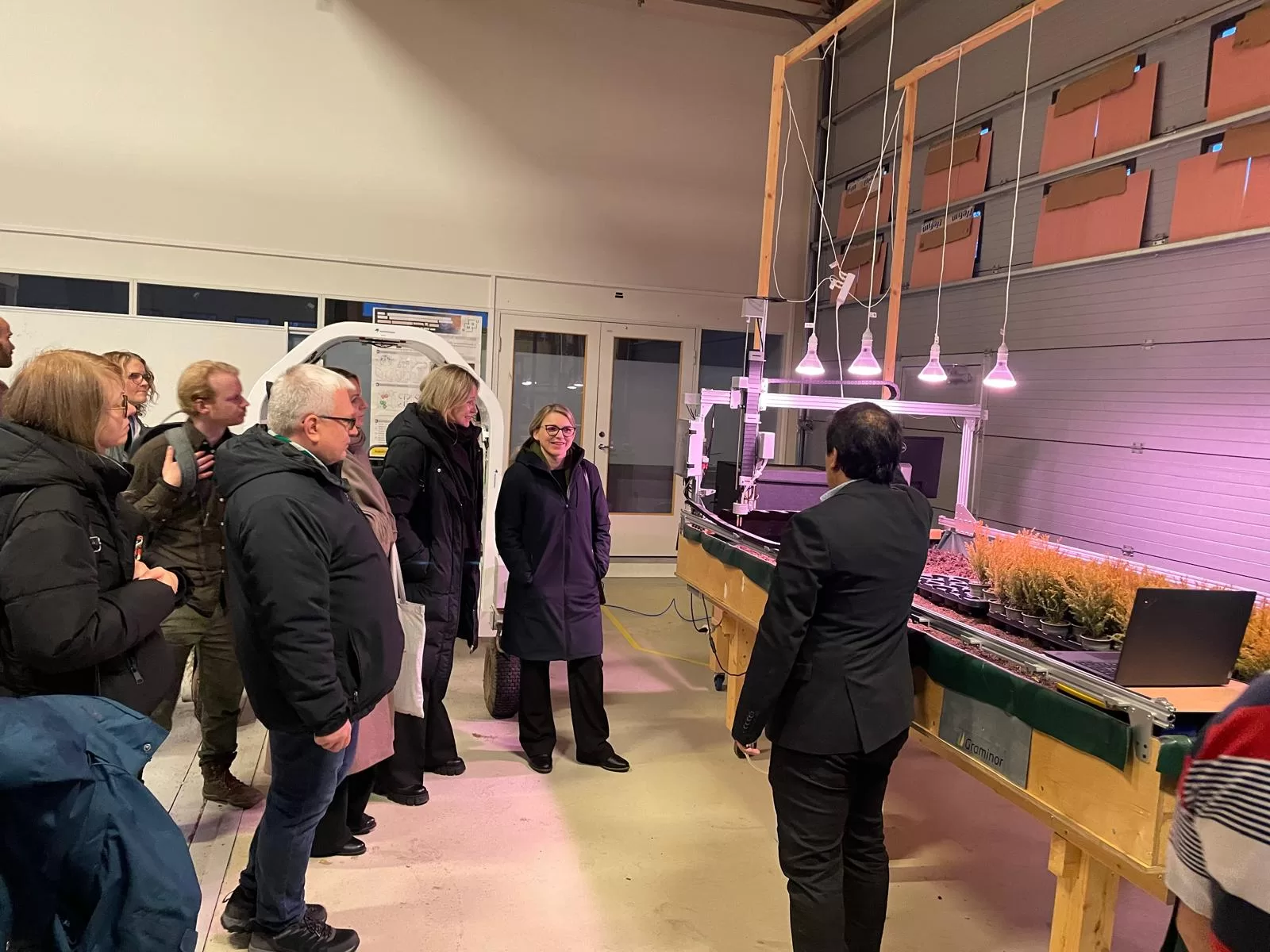
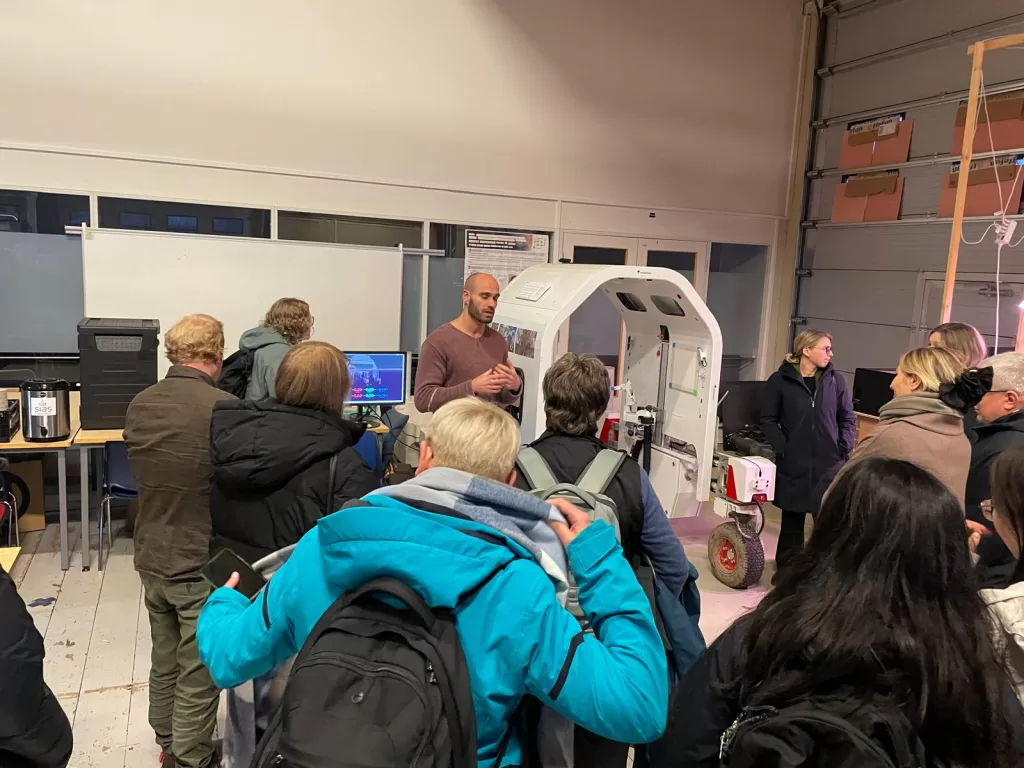
After an inspiring day, the attendees had the opportunity to tour SKP and visit the facilities at the Åsbakken site, including the greenhouses, specialized equipment, and controlled-environment growth chambers. These chambers allow plants to be grown under different climatic conditions, and one of them is equipped with a hydroponic system. At Realtek, the group explored the Vehicle’s laboratory and the mechatronic’s laboratory, where they learned how technology is being integrated with plant science. The strong collaboration between the two faculties is already yielding excellent results
As the event came to a close, the energy in the room reflected a shared commitment to pushing plant science forward.
Below, you can explore a selection of the presentations shared during the event.